
12 Best Global HR Communities Today (2026 Edition)
The HR profession has changed more in the last five years than in the previous twenty. Whether you’re navigating AI-driven transformation, redesigning performance frameworks, scaling global teams, or trying to build a culture people actually want to work in, HR leadership is now one of the most complex and high-impact functions in business.
But here’s the truth: HR is also one of the loneliest roles. You deal with sensitive information, mediate conflict, shape culture, and influence leadership, all without the peer support that many other executive functions naturally enjoy.
That’s why joining a strong HR community isn’t just useful; it’s a career advantage. In 2026, the best HR communities give you access to real-world advice, templates, AI guidance, global peers, leadership support, and the kind of strategic clarity you can’t get from courses or conferences alone.
Why Join an HR Community? (And How It Actually Helps Your Career)
HR isn’t simply about policies or people operations anymore; it’s about leading transformation, influencing business strategy, and helping organizations adapt to constant change. But you can’t do that alone.
Joining a strong HR community gives you access to:
Peer support from people who get it
HR carries emotional and political weight. A community gives you a safe space to talk about tough situations you can’t unpack internally.
Templates, frameworks & real-world resources
Many HR communities share examples of onboarding flows, ER policies, engagement strategies, compensation frameworks, AI guidelines, and more.
Career development & leadership pathways
From CHRO mentorship to people-ops skill building, communities help HR professionals grow into the next stage of their career.
Networking & job opportunities
Many HR roles are filled through referrals, not job boards. Communities drastically increase your access to hidden opportunities.
Staying ahead of trends
AI, global hiring, and hybrid work mean that HR is changing fast. Communities keep you informed before change hits your organization.
In short:
If you work in HR, a community isn’t optional. It’s how you stay relevant, confident, and connected.
The 12 Best Global HR Communities
Below is a curated list of the 12 best HR communities in the world today, covering everything from executive strategy to people ops, DEI, culture, HR tech, and leadership development.
1. In Good Company (HiBob)
Who it’s for:
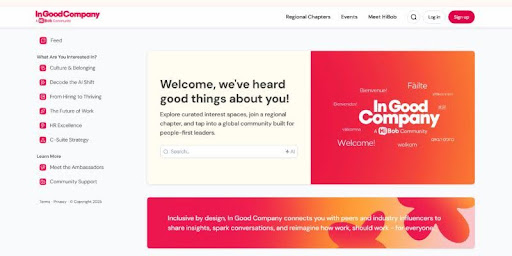
People-first HR leaders: CHROs, CPOs, VPs of People, HRBPs, and operators navigating AI, culture building, and modern workforce strategy. Ideal for those who want real conversations, not surface-level theory.
What it offers:
Six dedicated spaces for modern HR topics (AI in HR, Culture & Belonging, C-Suite Strategy, HR Excellence, Future of Work, Hiring → Thriving). Members get access to global roundtables, curated dinners, local chapters, expert-led discussions, and an active platform built for thoughtful dialogue rather than Slack noise.
Why it’s great:
Few HR communities combine global reach, high-trust conversation, and practical, operator-level insights. In Good Company gives leaders the space to talk honestly about transformation, get clarity on complex issues, and learn directly from respected thinkers like Jessica Zwaan, Kyle Lagunas, Hebba Youssef, and Adam Weber.
Pros
- Global, modern, and built for today’s HR challenges
- High-trust conversations with leading practitioners
- Real-world templates, resources, and frameworks
- Regional chapters + in-person “In Good Company Live” events
Cons
- Best for people leaders, less relevant for early-career HR
- Requires active participation for maximum value
In Good Company (HiBob Community)
2. CIPD Community

Who it’s for:
HR professionals in the UK or Europe working across policy, compliance, people development, and organizational design.
What it offers:
Discussion forums, policy updates, expert guidance, research libraries, and in-depth conversations around labor law, ethics, and professional standards.
Why it’s great:
CIPD is one of the most recognized HR bodies in the world. Its community is invaluable for navigating complex regulation and mastering the fundamentals of ethical, compliant HR practice.
Pros
- Deep policy and governance expertise
- Strong for HR development and certification
- Active forums and learning resources
Cons
- Primarily UK/EU-focused
- Less relevant for fast-moving tech/startup environments
3. HR Advisory (Bennie)
Who it’s for:
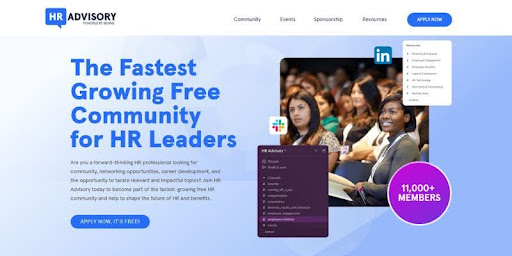
CPOs, CHROs, and senior HR execs seeking benchmarking, confidential advice, and peer alignment.
What it offers:
Closed-door roundtables, executive briefings, benchmarking data, and curated conversations around compensation, hiring, talent strategy, and risk.
Why it’s great:
HR Advisory is known for candor. Leaders openly discuss the kinds of decisions that never get posted online—comp redesign, ER escalations, restructuring, DEI recalibration, and executive politics.
Pros
- Highly confidential executive discussions
- Benchmarking across industries
- Weekly briefings with actionable insights
Cons
- Best for senior executives
- Paid membership
4. HR Exchange Network
Who it’s for:
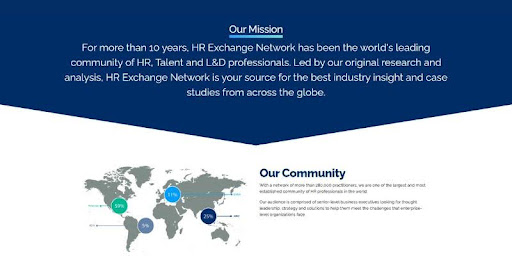
HR managers, directors, and executives seeking webinars, summits, and industry content.
What it offers:
Virtual conferences, daily articles, research, and regional events.
Why it’s great:
A versatile hub for staying updated on emerging HR trends—from employee experience to HR tech and talent management.
Pros
- Free access to many events
- Large, global audience
- Strong educational content
Cons
- Less community feel, more content-driven
- Conversations aren’t as interactive
5. i4cp (Chief HR Officer Board & Networks)
Who it’s for:
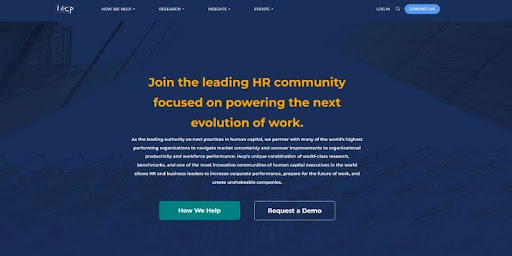
CHROs and senior leaders at enterprise organizations investing in research-based HR strategy.
What it offers:
Proprietary research, executive councils, benchmarking, and transformation-focused insights.
Why it’s great:
i4cp is the gold standard for research-based HR leadership. If you want data-driven strategy (not guesswork), this is the place.
Pros
- Industry-leading research
- CHRO-only cohorts
- Insight into high-performance organizations
Cons
- Premium membership
- Geared toward enterprise HR
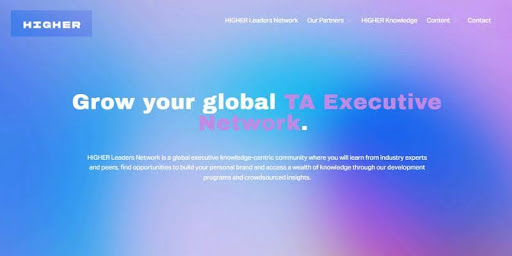
6. HIGHER Leaders Network
Who it’s for:
Senior HR executives leading global transformation, especially in scale-ups and complex enterprises.
What it offers:
Private leadership circles, deep-dive roundtables, curated retreats, and programming focused on executive influence and organizational transformation.
Why it’s great:
HIGHER offers rare intimacy—meaningful, high-trust executive conversations about the hardest parts of HR leadership: CEO alignment, culture resets, executive conflict, and transformation fatigue.
Pros
- Deep, executive-only conversations
- Strong focus on leadership and influence
- Curated global events
Cons
- Exclusive and selective
- Not ideal for early-career HR
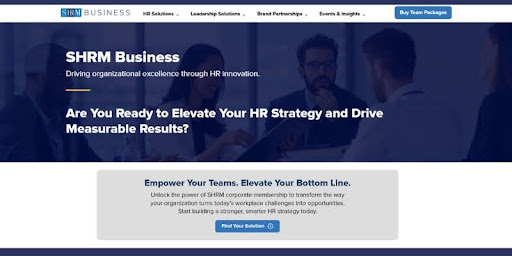
7. SHRM Executive Network
Who it’s for:
Senior HR executives seeking global reach, research, and leadership programming.
What it offers:
Private forums, curated executive events, research access, and global networking opportunities.
Why it’s great:
The SHRM Executive Network is massive, recognized worldwide, and ideal for senior leaders who want high-level insights and a global peer group.
Pros
- Global reach
- Strong brand recognition
- Executive-only experiences
Cons
- Broad scope
- Less intimate than boutique executive groups
8. People Geeks (Culture Amp)

Who it’s for:
HR practitioners, people ops professionals, engagement specialists, and culture leaders.
What it offers:
Workshops, meetups, practical templates, Slack community discussions, and culture-focused programming.
Why it’s great:
One of the friendliest, most practitioner-focused HR communities. Great for hands-on people operations, engagement, and analytics topics.
Pros
- Practical tools and templates
- Highly active community events
- Strong culture/engagement focus
Cons
- More practitioner-focused than executive
- Best for companies using Culture Amp or similar tools
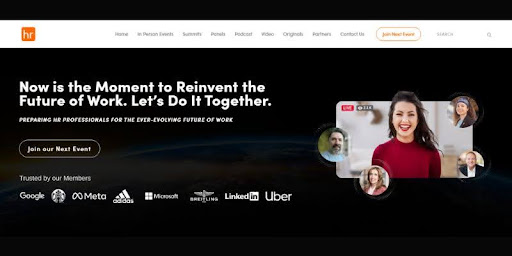
9. HR Leaders Community
Who it’s for:
HR leaders who love learning from real-world executive stories and practical examples.
What it offers:
Daily podcasts, panels, events, and interviews with top CHROs across the world.
Why it’s great:
It’s not “just content”; the podcast community often expands into networking, roundtables, and meetups for leaders wanting real conversation.
Pros
- Daily inspiration and insights
- Strong global audience
- Great for continuous learning
Cons
- Less structured community platform
- More content-driven
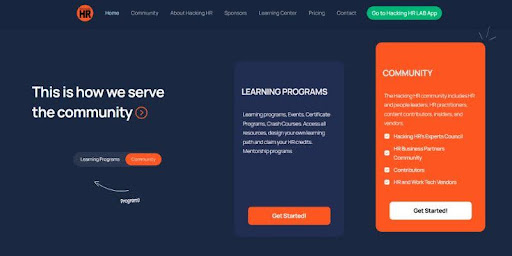
10. Hacking HR
Who it’s for:
Future-focused HR leaders exploring AI, HR tech, analytics, and the future of work.
What it offers:
Global conferences, webinars, local meetups, and a massive library of recorded sessions across hundreds of HR and business topics.
Why it’s great:
One of the largest learning-focused HR communities. Ideal for leaders who want to stay ahead of innovation and next-gen HR trends.
Pros
- Huge library of expert sessions
- Strong global presence
- Great for tech-forward HR
Cons
- Can feel broad due to scale
- Less intimate compared to smaller executive groups
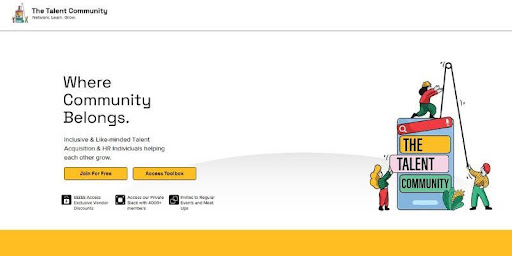
11. The Talent Community
Who it’s for:
TA leaders, recruiters, and HR professionals focused on hiring, workforce planning, and talent strategy.
What it offers:
Slack community, meetups, content sharing, mentoring, and cross-sector talent insights.
Why it’s great:
Strong cross-disciplinary conversations—TA, HR, agency, and RPO professionals collaborating to solve hiring, AI sourcing, and workforce design challenges.
Pros
- Very active Slack community
- Great for TA and HR collaboration
- Regional and virtual meetups
Cons
- Best for talent-focused roles
- Large size can feel noisy
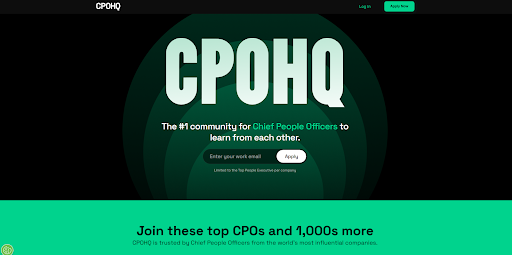
12. CPOHQ (by Pave)
Who it’s for:
Chief People Officers, CHROs, VPs of People, and senior HR executives at high-growth startups, mid-size companies, and global organizations.
What it offers:
Executive roundtables, confidential peer discussions, compensation benchmarking, expert-led sessions, and a private online community focused on real-world people leadership challenges.
Why it’s great:
CPOHQ blends high-trust conversation with best-in-class compensation insights. It’s a strong choice for leaders who want practical guidance on scaling teams, navigating executive alignment, and staying ahead of modern HR trends like AI, pay transparency, and workforce planning.
Pros
- Excellent compensation benchmarking and insights
- High-trust, executive-only discussions
- Frequent roundtables and cohort-based groups
- Strong focus on modern HR challenges (AI, scaling, compensation strategy)
Cons
- Tailored primarily to tech and high-growth environments
- Paid membership required for full access
What to Look for in a High-Quality HR Community
Not all HR communities are created equal. The best ones offer more than a Slack group or occasional webinar; they provide real value, real learning, and real support. When choosing the right community, look for spaces that feel active, inclusive, and rooted in genuine expertise. A strong HR community should offer access to experienced professionals who openly share playbooks, templates, and lessons learned from their own organizations.
You’ll also want a group that fosters trust. HR work is sensitive, and the best communities create a safe environment for discussing tough issues like restructuring, people conflicts, executive alignment, or AI-driven policy changes. Finally, a high-quality community offers a blend of strategic insight and practical tools. You should leave each interaction with something useful—whether that’s a new framework, a clearer perspective, or a connection who genuinely understands your challenges.
Frequently Asked Questions
Are there HR communities for early-career professionals?
Yes. People Geeks, HR Exchange, and Talent Community are especially welcoming to early and mid-career HR practitioners.
How do HR professionals network online?
Mostly through Slack groups, LinkedIn communities, private platforms, and attending virtual roundtables.
Do HR communities help with career growth?
Absolutely. Many communities offer mentorship, leadership pathways, job boards, templates, and peer support that accelerate career development.
Why are HR communities important today?
Because HR is evolving faster than ever: AI, hybrid work, global labor shifts. Communities give you early insight, practical tools, and a support network to navigate change with confidence.