
Warren Buffett Steps Down as Berkshire Hathaway Chairman, Howard Buffett to Succeed Him
OMAHA, Nebraska, September 18, 2026, ZEX PR WIRE — Warren Buffett is stepping down as chairman of Berkshire Hathaway, bringing an end to more than five decades in one of the most closely watched leadership positions in corporate America.
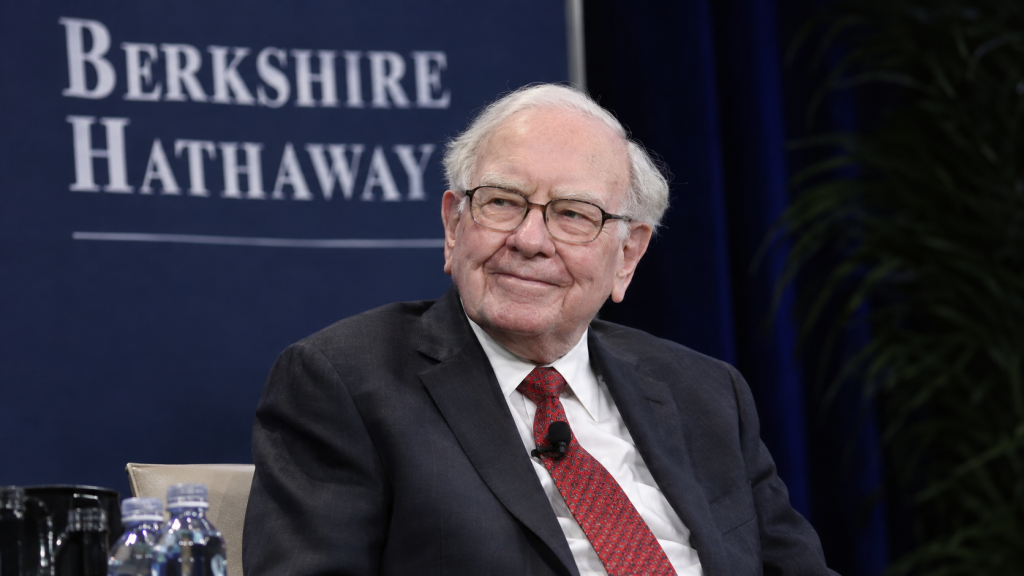
Berkshire Hathaway said Friday that Buffett will become chairman emeritus with immediate effect while remaining a member of the company’s board of directors. His son, Howard Buffett, who has served on Berkshire’s board for 33 years, will succeed him as chairman.
The announcement marks another major step in Berkshire’s leadership transition. Buffett handed the company’s chief executive role to Greg Abel earlier this year, separating the CEO position from the chairmanship for the first time in the company’s modern succession process.
A New Chapter for Berkshire
In a letter to shareholders released Friday, Buffett said the timing was right to complete the transition. He said Abel had taken control of the CEO role and was already making the key decisions at the company.
Buffett will remain a director and continue to provide his perspective to Berkshire, according to the company. The transition therefore does not represent a complete departure from the business, but rather a change in his formal responsibilities.
Howard Buffett has been a Berkshire director since 1993. The company said he will focus on protecting the culture and values that have developed under his father’s leadership, while Greg Abel continues to run the business as chief executive.
The division of responsibilities creates a clearer structure at the top of Berkshire. Abel oversees the company’s operations, while Howard Buffett takes the chairmanship and Warren Buffett remains on the board as chairman emeritus.
What the Transition Means for Berkshire
The leadership change comes after decades in which Warren Buffett became closely associated with Berkshire Hathaway itself. Under his leadership, the company developed from a struggling textile business into a sprawling conglomerate with interests across insurance, railroads, energy, manufacturing, consumer businesses and investments. Reuters puts Berkshire’s current value at roughly $1.1 trillion.
That history makes the chairman transition more significant than a routine boardroom change. Berkshire’s succession has been watched closely by shareholders and the broader corporate world for years, particularly because Buffett’s investment decisions and management philosophy became an important part of the company’s identity.
The company has been preparing for the transition gradually. Buffett announced his retirement as CEO previously, with Abel taking over that role, while Buffett continued as chairman. Friday’s announcement completes another part of that process.
For Berkshire shareholders, attention will now turn toward how the company operates under the new leadership structure and how closely its governance continues to follow the principles established over Buffett’s long tenure.
Buffett’s decision also represents a notable moment for U.S. corporate markets. Few executives have remained so closely associated with a major public company for so long, making the change relevant well beyond Berkshire’s own shareholder base.
For now, Buffett remains involved as a director and chairman emeritus, while Howard Buffett formally takes over the chairmanship and Greg Abel continues as CEO.
The transition closes one of the longest chapters in modern corporate leadership while leaving Berkshire with a management structure that had been planned well before Friday’s announcement.