
Tata Group Stocks Under Pressure as Tata Sons Leadership Dispute Deepens
MUMBAI, Maharashtra, September 18, 2026, ZEX PR WIRE — Shares of several Tata Group companies came under pressure on Friday as investors reacted to an intensifying dispute over the leadership and future structure of Tata Sons, the holding company at the center of the sprawling Indian conglomerate.
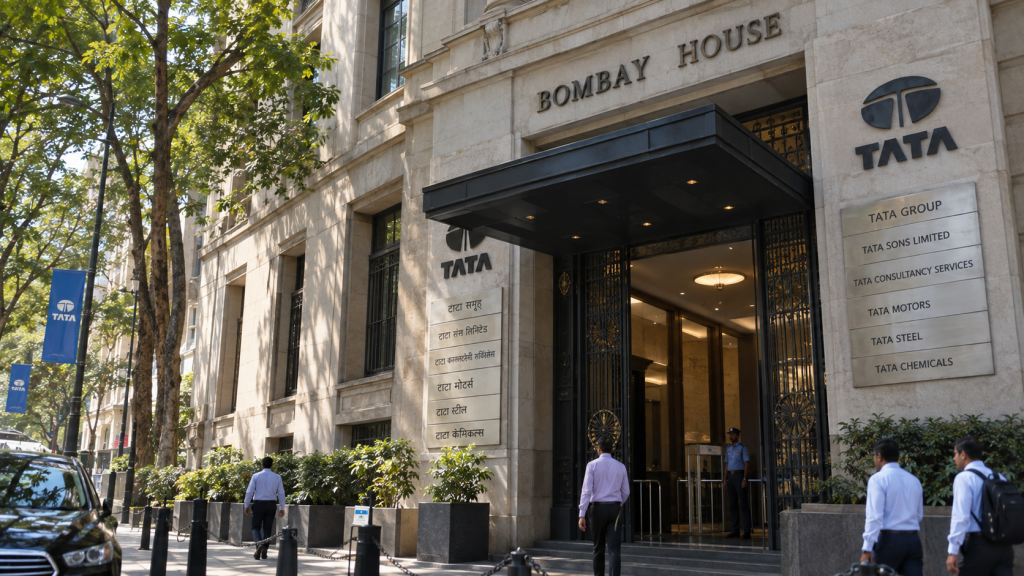
Tata Group companies collectively lost around $4 billion in market value during Friday’s trading session, according to Reuters, as concerns surrounding governance, leadership and the potential listing of Tata Sons weighed on investor sentiment.
The developments follow a Tata Sons board decision to reappoint N. Chandrasekaran as executive chairman for another five years. Chandrasekaran had previously indicated that he would step down when his current term ends in February 2027, making the board’s decision to retain him an important change in the group’s leadership plans.
Tata Trusts, which owns roughly 66% of Tata Sons, has opposed the reappointment. Noel Tata, chairman of Tata Trusts, has described the board’s decision as invalid, creating an unusual disagreement between the holding company’s board and its controlling shareholder.
Governance Dispute Reaches Listed Companies
The disagreement has quickly moved beyond the boardroom and into the public markets.
Tata Consultancy Services, Tata Chemicals and Tata Motors were among the listed group companies affected during Friday’s session. Reuters reported that Tata Chemicals fell more than 11% at one point, while TCS declined nearly 4%. Other Tata companies also experienced pressure during the session.
The market reaction reflects the fact that Tata Sons sits at the center of the group’s ownership structure. Several listed Tata companies hold stakes in Tata Sons, while the holding company itself has interests and influence across businesses ranging from technology and automobiles to chemicals, power, aviation and consumer products.
The potential listing of Tata Sons adds another layer to the dispute.
Tata Sons has been classified as an upper layer non-banking financial company under Reserve Bank of India regulations. The RBI recently rejected Tata Sons’ attempt to surrender its Core Investment Company registration, keeping the regulatory question surrounding a potential listing alive.
Following its latest board meeting, Tata Sons said it would begin steps toward complying with applicable RBI requirements. Tata Trusts, however, has said it has not agreed to take Tata Sons public and has argued that alternatives should be examined.
A Critical Moment for the Conglomerate
The dispute comes at an important time for Tata Group businesses.
The conglomerate is committing capital to areas including semiconductors, batteries, aviation, digital infrastructure and artificial intelligence, while several established businesses are also navigating changing market conditions. The governance disagreement therefore arrives as the group is making some of its largest strategic investments in years.
The immediate market response does not necessarily reflect the operating performance of each individual Tata company. The businesses have different markets, customers and financial conditions, meaning developments at Tata Sons can affect them in different ways.
For investors and the wider Indian market, the focus now shifts toward how the disagreement develops. Questions around Chandrasekaran’s reappointment, Tata Sons’ potential listing and the rights of Tata Trusts’ nominee directors could determine the next stage of the dispute.
Until greater clarity emerges, Tata Group companies are likely to remain closely watched by the Indian equity market as investors assess whether the governance disagreement remains contained within Tata Sons or begins to have wider consequences across the conglomerate.