
Shipping Corporation of India Q2 Profit Jumps 205% to ₹577.8 Crore as Revenue Rises 71.1%
MUMBAI, India, November 5, 2026, ZEX PR WIRE, Shipping Corporation of India reported a sharp increase in consolidated net profit for the September quarter, supported by stronger revenue across its shipping operations. The state-owned company recorded net profit of approximately ₹577.8 crore for the second quarter of the 2026-27 financial year, compared with ₹189.2 crore in the corresponding quarter a year earlier.
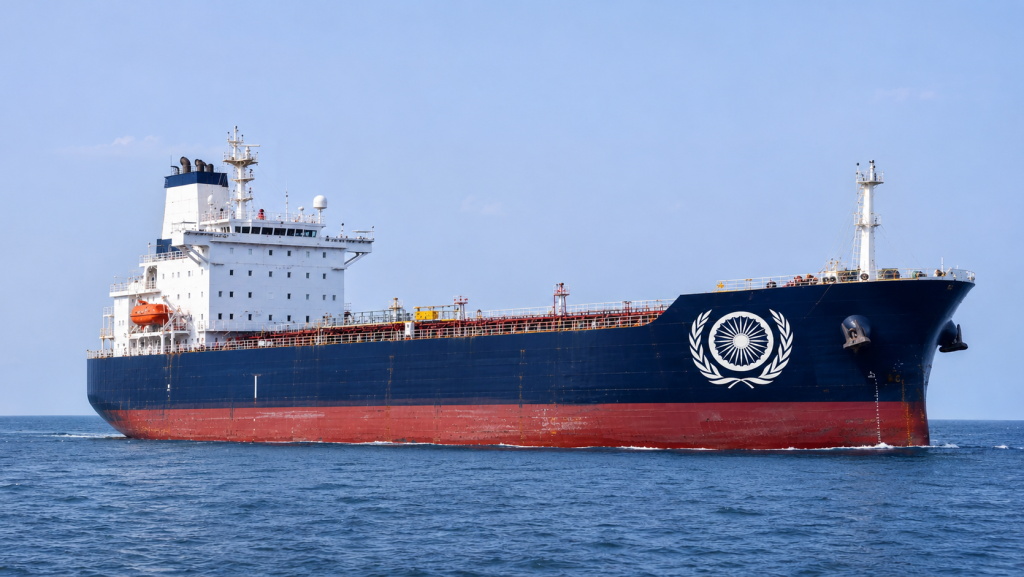
Revenue increased 71.1% to approximately ₹2,290.7 crore from ₹1,338.9 crore. The results placed the company among the notable performers in the latest Indian earnings cycle and drew attention to conditions across the shipping and maritime transport industry.
Revenue Growth Drives Quarterly Performance
Shipping Corporation of India operates vessels serving different segments of the maritime transport market. Its revenue can be influenced by freight rates, vessel utilisation, chartering arrangements, fuel costs and the type of cargo transported.
The increase in revenue indicates a substantially stronger reported top line than in the year-ago quarter. However, the precise drivers depend on the performance of individual business segments and changes in the mix of shipping activities.
Shipping companies can experience considerable fluctuations in quarterly earnings because vessel utilisation and freight rates change with global trade conditions. Operating expenses, maintenance schedules and fuel prices can also influence profitability.
Profit Rises Faster Than Revenue
Net profit increased more than threefold year over year, outpacing the rise in revenue. This difference indicates that the company’s reported earnings improved significantly during the quarter, although a complete explanation requires examining operating costs, other income, depreciation, financing expenses and taxes.
For investors, it is important to distinguish between stronger revenue and improvements that are likely to be recurring. Changes in freight rates or vessel deployment can produce temporary variations in profitability, while longer-term performance depends on contracts, fleet efficiency and market demand.
The company’s full financial disclosures provide the basis for assessing the contribution of its operating segments and any exceptional items.
Shipping Industry Faces Global Market Changes
Maritime transport is closely connected to global trade, energy shipments and industrial demand. Changes in geopolitical conditions can affect routes, insurance costs and voyage times, while shifts in global manufacturing and consumption influence demand for shipping capacity.
Lower crude oil prices can reduce fuel expenses for some operators, but the effect depends on contractual arrangements and how quickly fuel costs are reflected in operating accounts. Freight rates may also respond differently to changes in fuel prices and shipping demand.
What Investors Will Monitor
Investors will continue monitoring vessel utilisation, freight conditions, operating costs and the company’s ability to sustain the latest earnings growth. The quarterly result provides a strong year-over-year comparison, but future performance will depend on business conditions across the shipping industry.