
Indian Rupee Rally Stalls as RBI Dollar Demand and Oil Purchases Influence Currency Market
MUMBAI, India, November 12, 2026, ZEX PR WIRE, The Indian rupee’s November recovery lost momentum on Thursday as traders monitored possible Reserve Bank of India dollar purchases and renewed demand from oil refiners. The currency was little changed at 93.6775 against the US dollar by 11 a.m. IST, after struggling to move beyond the 94.50 to 94.60 range cited by traders as an important level in the recent recovery.
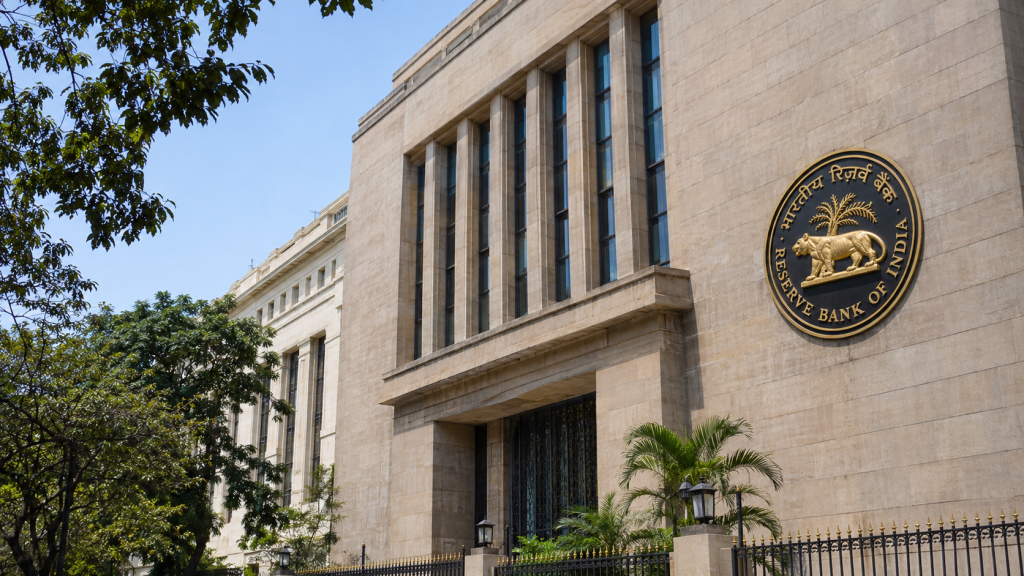
The currency’s performance comes despite expectations of substantial foreign portfolio investment inflows into Indian equities and a decline in international oil prices. Market participants are assessing whether the central bank is seeking to limit rapid appreciation and rebuild foreign exchange reserves.
The development highlights the interaction between capital flows, oil import requirements and central bank activity in India’s foreign exchange market.
Foreign investment supports the rupee
Foreign portfolio investors have returned to Indian equities during November after two months of outflows. Reuters reported that expected net equity inflows could exceed US$7.5 billion during the month, reversing the selling pressure recorded previously.
Foreign investment can support the rupee because overseas investors generally need to convert foreign currency into Indian rupees when purchasing domestic assets. Stronger inflows can therefore increase demand for the local currency.
However, the effect is not always immediate or uniform. Foreign investors may hedge currency exposure, while other market participants can generate substantial dollar demand through imports, overseas payments and financial transactions.
Oil refiners add to dollar demand
Oil purchases remain an important factor for India because the country depends heavily on imported crude. Refiners require foreign currency to pay international suppliers, creating recurring demand for dollars.
Reuters reported that state run banks were seen buying dollars near recent rupee highs, leading to speculation that the RBI could be managing the pace of currency appreciation. The central bank had previously provided a dedicated dollar supply window for state run refiners when the rupee was approaching record lows.
India’s foreign exchange reserves were reported at approximately US$717 billion, a three month low. Reserve management may therefore remain an important consideration as the central bank balances currency stability with the need to manage external payment requirements.
Inflation and monetary policy remain in focus
Investors were also awaiting India’s October inflation data, which was expected to approach the RBI’s upper tolerance limit of 6%. Any evidence that food price increases are spreading into underlying inflation could influence expectations for monetary policy.
A stronger inflation reading could affect bond yields, currency sentiment and expectations for future interest rate decisions. The impact on the rupee will also depend on global dollar movements and the direction of foreign investment flows.
The recent currency movement demonstrates that foreign equity purchases alone do not determine the rupee’s direction. Oil demand, central bank activity, inflation and global interest rate expectations continue to influence the market.