Bank of Korea Raises Interest Rate to 3.25% as Strong Growth and Inflation Complicate Outlook
SEOUL, November 26, 2026, ZEX PR WIRE — South Korea’s central bank raised its benchmark interest rate to 3.25% on Thursday, resuming monetary tightening after a three-month pause as stronger economic growth and persistent inflation increased pressure on policymakers.
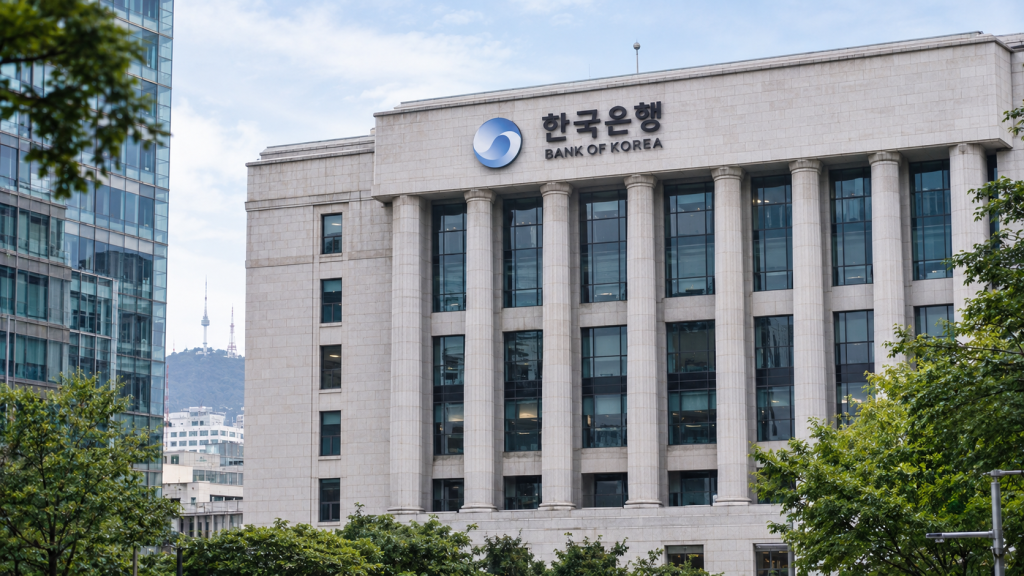
The Bank of Korea’s decision represents a 25-basis-point increase and takes the benchmark rate to its highest level since October 2024.
The decision reflects a changing economic environment in which the country’s technology exports and semiconductor industry have supported growth, while inflation remains an important policy concern.
The central bank also revised its economic growth forecast for 2027 to 4.1%, according to Yonhap News Agency.
AI demand supports economic activity
South Korea’s semiconductor industry has benefited from growing international demand for advanced computing equipment used in artificial intelligence infrastructure.
The expansion of AI-related investment has supported export activity and improved the outlook for major technology manufacturers.
Semiconductor production is particularly important to South Korea because the industry contributes significantly to its international trade position and industrial output.
However, stronger export performance can also contribute to broader economic demand, creating additional pressure on prices when domestic supply cannot adjust quickly enough.
Inflation remains a central concern
The Bank of Korea has faced the challenge of balancing economic growth against its inflation objective.
Keeping borrowing costs higher can help moderate consumer spending, business investment and credit expansion. However, higher rates can also increase financing costs for households and companies.
The latest decision indicates that policymakers consider inflation risks sufficiently important to resume tightening despite the potential impact on borrowers.
Governor Shin Hyun-song has emphasised the importance of maintaining a restrictive policy until inflation moves towards the central bank’s 2% target.
Implications for businesses and financial markets
The rate increase could influence mortgage costs, corporate borrowing and the attractiveness of South Korean financial assets.
Companies operating in capital-intensive industries may face higher financing expenses, while banks could experience changes in lending demand and interest margins.
The decision may also influence the South Korean won as investors reassess the country’s interest rate outlook relative to other major economies.
For international markets, the move highlights how the AI investment cycle is affecting economic conditions beyond the technology industry itself.