
AI Stocks Face Fresh Scrutiny as Nvidia Leadership Uncertainty Spreads Across Technology Sector
SANTA CLARA, United States, November 13, 2026, ZEX PR WIRE, Nvidia is facing a significant leadership transition after co-founder Jensen Huang resigned as president and chief executive officer, ending his 33-year leadership of the semiconductor company. The departure has introduced uncertainty around the future direction of one of the world’s most influential technology businesses, with potential implications for the global artificial intelligence industry, semiconductor supply chains and US technology policy.
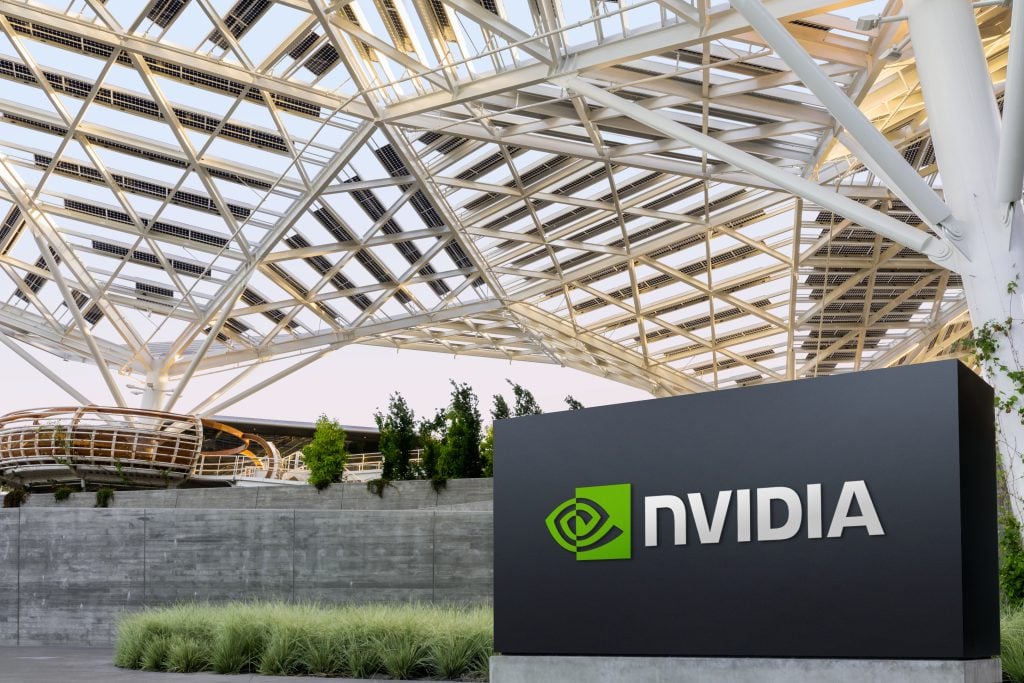
Nvidia’s board announced on November 12 that Huang had resigned from his positions as CEO, president and board member, effective immediately. Chief Financial Officer Colette Kress has been appointed interim CEO while the board searches for a permanent replacement, considering both internal and external candidates. Harvey C. Jones has also been appointed the company’s first-ever board chair.
Leadership Transition Creates Uncertainty
Huang played a central role in building Nvidia from a graphics processing company into a major supplier of accelerated computing and artificial intelligence infrastructure. Under his leadership, the company developed a strong position in the market for advanced AI processors, supplying technology used by cloud computing providers, data centre operators and developers of large AI models.
His departure therefore represents more than a routine executive transition. Investors will be assessing whether the existing leadership team can maintain the company’s product strategy, customer relationships and pace of innovation without its long-standing chief executive.
Colette Kress brings substantial experience in Nvidia’s financial operations, having served as its CFO since September 2013. Her familiarity with the company’s business, financial position and growth strategy could support operational continuity during the transition. However, the longer-term question remains who will lead Nvidia through its next stage of expansion.
Stock Market Reaction Reflects Investor Concerns
Nvidia shares fell 4.3% on Thursday, November 12, closing at $166.19 after recovering from substantially steeper losses earlier in the session. MarketWatch reported that the company lost approximately $182 billion in market value during Thursday’s trading, highlighting the scale of investor reaction to the announcement.
The decline reflects concerns about leadership continuity, but the company’s underlying business remains supported by demand for AI computing infrastructure. Investors will need to distinguish between short-term uncertainty surrounding management and the longer-term commercial outlook for Nvidia’s products.
US China Technology Policy Adds Another Risk
The leadership change has also intensified scrutiny of Nvidia’s business relationships and semiconductor exports to China. Reports concerning Huang’s personal and business connections have prompted questions about national security and the enforcement of US export controls.
US lawmakers have called for greater scrutiny of advanced chip exports to China. Any additional restrictions could affect Nvidia’s access to an important market and influence the company’s international sales strategy. These concerns remain subject to ongoing investigations and political developments, and allegations reported in the media should not be treated as established findings.
Potential Impact on AI Infrastructure Companies
Nvidia’s influence extends across the wider technology ecosystem. Companies such as CoreWeave and other data centre operators rely heavily on Nvidia’s processors to develop and expand AI computing capacity. A prolonged leadership crisis or changes in the company’s commercial strategy could therefore affect businesses that depend on its hardware and technology roadmap.
Competitors, including AMD and Broadcom, may also attract greater investor attention as customers and markets assess their alternatives. However, replacing Nvidia’s technology across large AI infrastructure deployments would not necessarily be immediate, given the importance of its software ecosystem, hardware integration and established customer relationships.
What Investors Will Watch Next
Nvidia’s next major milestone is its scheduled third-quarter fiscal 2027 financial results announcement on November 17. The earnings release and management commentary will provide an opportunity to assess whether the leadership transition has affected business operations, customer commitments or financial expectations.
For investors, the central questions will be the permanent CEO appointment, the continuity of Nvidia’s product roadmap, the outcome of relevant investigations and the potential effect of US export policy. The company’s long-term position in AI computing remains significant, but the departure of its co-founder introduces a new period of uncertainty for both Nvidia and the wider semiconductor industry.