
Australia’s Inflation Accelerates in October, Adding Pressure on Reserve Bank
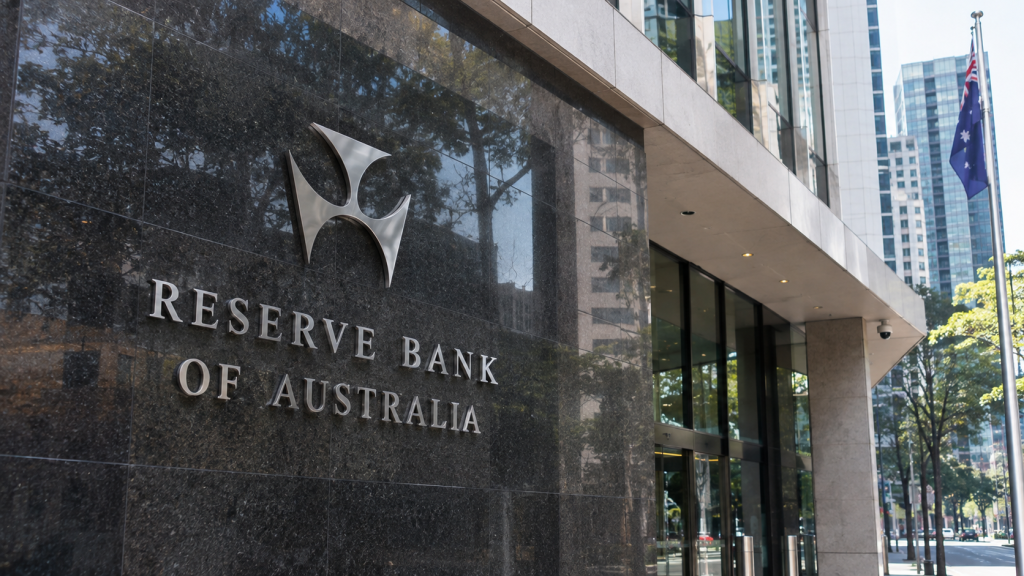
SYDNEY, November 25, 2026, ZEX PR WIRE — Australian consumer prices increased more than expected in October, while underlying inflation accelerated to its highest level in two years, creating a fresh challenge for the Reserve Bank of Australia as it assesses the country’s monetary policy outlook.
Data published by the Australian Bureau of Statistics showed that the monthly Consumer Price Index increased 0.5% from September, exceeding economists’ expectations of 0.4%.
Fuel prices were a major contributor, rising 6.3% during the month amid changes in international energy costs.
The figures indicate that inflationary pressures remain present despite earlier monetary tightening by the central bank.
Underlying inflation raises concern
Beyond the headline increase, the acceleration in core inflation attracted particular attention from financial markets.
Underlying inflation is closely monitored by central banks because it can provide a clearer indication of persistent price pressures after volatile components are excluded.
The latest figures showed that core inflation had reached its fastest pace since 2024.
This development complicates the Reserve Bank of Australia’s policy outlook. The central bank has already raised interest rates by a cumulative 125 basis points this year, but the latest inflation reading suggests that price pressures have not eased as quickly as policymakers would prefer.
Higher borrowing costs are intended to moderate consumer spending and business investment, helping bring inflation closer to the central bank’s target.
However, the effectiveness of monetary tightening can take time to become fully visible in economic data.
Markets reassess rate expectations
The inflation release influenced currency and bond markets.
The Australian dollar strengthened slightly following the figures, trading around $0.6650 against the US dollar in the reporting period. Australian government bond futures also moved lower as investors adjusted their expectations for future interest rate decisions.
Market participants continued to expect that the next major policy move could eventually be a rate reduction, although expectations for the timing of any easing shifted.
The latest data reduced confidence in an early rate cut, with traders pushing expectations further into 2027.
The policy challenge ahead
The Reserve Bank must balance persistent inflation against signs of weakness in the labour market and broader economic activity.
Keeping rates elevated for longer could help control prices but may also place additional pressure on households and businesses through higher financing costs.
The next inflation releases and employment data will therefore be important in determining whether October represents a temporary increase or part of a broader inflation trend.