
Bank of Japan faces fresh policy challenge as global AI selloff threatens household wealth
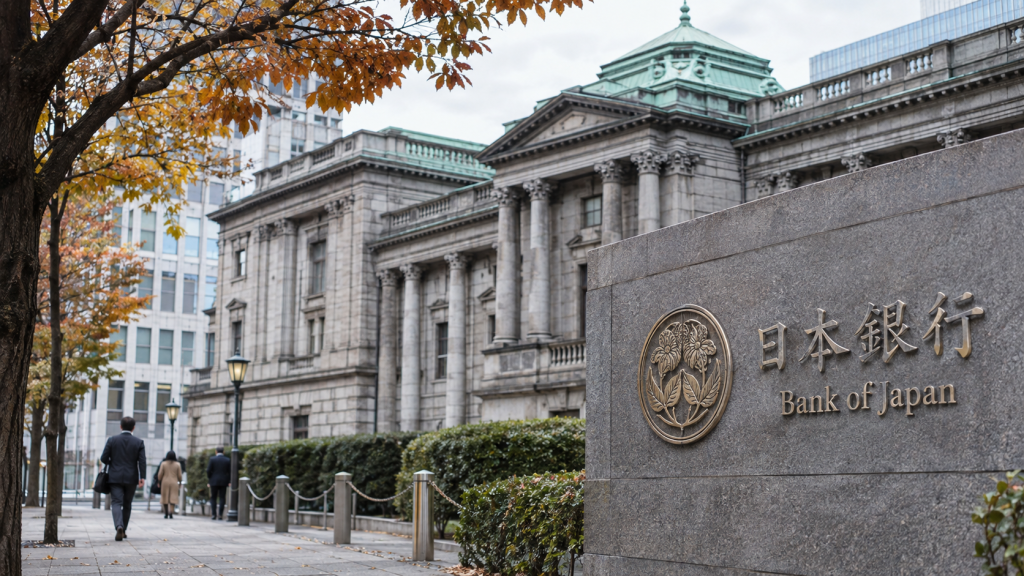
TOKYO, Japan, November 10, 2026, ZEX PR WIRE, The Bank of Japan’s assessment that financial conditions remain accommodative is facing a new challenge as a sharp decline in AI related stocks threatens to weaken household wealth and corporate confidence. The market downturn could complicate the central bank’s efforts to normalise monetary policy while keeping inflation close to its 2% target.
Many analysts continue to expect another interest rate increase, potentially in December. However, the recent equity market weakness has introduced another consideration for policymakers: the effect that falling asset prices could have on consumer spending and business investment.
Equity market weakness creates a policy complication
The Bank of Japan has pointed to relatively low real borrowing costs, strong corporate funding demand and increasing bank lending as evidence that financial conditions remain supportive of economic activity.
However, financial conditions are influenced by more than borrowing costs. Stock market performance can affect household wealth, corporate confidence and the willingness of businesses to invest.
Japanese households held approximately 486 trillion yen in equities in June, an increase of 47% from a year earlier. A prolonged decline could therefore affect household balance sheets and potentially reduce spending, particularly if investors become concerned about the sustainability of market valuations.
Interest rate expectations remain uncertain
The central bank is attempting to bring underlying inflation towards its 2% target while avoiding unnecessary disruption to economic growth. Its policy direction is complicated by the possibility that higher borrowing costs could affect businesses and consumers at a time when global markets are already experiencing volatility.
Records from the Bank of Japan’s October meeting revealed differing views among board members. Some policymakers saw limited effects from previous rate increases, while others warned that tighter financial conditions could weaken economic activity.
The next important communication point will be Governor Kazuo Ueda’s November 30 speech, ahead of the December 17 and 18 policy meeting.
What investors will monitor next
Investors will be watching Japanese inflation, wage growth, household spending and the performance of domestic equities. Any indication that market weakness is affecting economic activity could influence expectations for the timing of another rate increase.
The latest developments highlight the challenge facing central banks when financial markets move sharply. A policy assessment based on credit conditions and borrowing costs may need to account for changing asset prices and their impact on the wider economy.