
Brent Crude Falls 5.85% to $92.57 as Trump Signals Restraint on Iran, Easing Supply Fears
LONDON, United Kingdom, November 9, 2026, ZEX PR WIRE, International crude oil prices declined sharply on Monday after US President Donald Trump indicated that further military strikes against Iran were unlikely while negotiations to end the conflict continued. Brent crude futures settled 5.85% lower at $92.57 per barrel, while US West Texas Intermediate futures dropped 4.38% to $86.85.
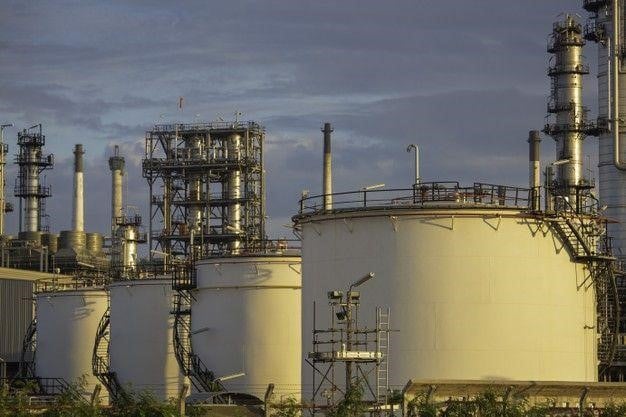
The decline extended a significant retreat in energy prices that began the previous week, when Brent recorded its steepest weekly decline since the beginning of the COVID-19 pandemic. Market participants reassessed the possibility of a reduction in geopolitical supply risks as diplomatic discussions remained in focus.
Diplomatic Expectations Weigh on Oil Prices
Crude oil markets had previously incorporated a significant geopolitical risk premium because of concerns that military escalation could disrupt production or transportation across the Middle East.
Trump’s comments about holding back from further attacks encouraged investors to reduce some of that premium. The possibility of progress in discussions between Washington and Tehran raised expectations that energy shipments could eventually face fewer security-related disruptions.
However, the market reaction reflects expectations rather than a confirmed peace agreement. Iran and the United States continued to report shipping incidents near the Strait of Hormuz, keeping regional security concerns relevant.
Shipping Risks Remain an Important Factor
The Strait of Hormuz is a strategically important route for international energy transportation. A disruption to shipping through the waterway could affect supplies from major Middle Eastern producers and increase insurance, freight and delivery costs.
Even when diplomatic statements reduce concerns about military escalation, incidents involving commercial vessels can quickly influence market sentiment. Energy traders therefore continue to assess shipping activity alongside official statements and regional security developments.
Supply and Demand Also Influence Prices
Geopolitical developments were not the only factor affecting crude prices. Reuters reporting also pointed to relatively strong oil flows from the Middle East and signs of ample global supply.
Analysts estimated that the global oil market recorded a surplus of approximately 1.4 million barrels per day in October. Higher production and weaker physical-market conditions can place pressure on prices when supply exceeds immediate demand.
OPEC output was also reported to have increased, adding to the focus on production levels and global inventories. These developments suggest that the latest decline was influenced by both geopolitical expectations and underlying market conditions.
Energy Companies and Importing Economies Face Different Effects
Lower crude prices can benefit countries that depend heavily on imported energy, potentially reducing fuel costs and inflationary pressure. Transportation, aviation and manufacturing companies may also gain from lower energy expenses.
For oil producers, however, declining prices can reduce revenue expectations and place pressure on profitability. The effect on energy-related shares therefore depends on the company’s production costs, output and financial structure.
What Investors Will Monitor
Oil markets will continue reacting to diplomatic developments, shipping security, inventories and production decisions. Until a lasting agreement and stable shipping conditions are established, geopolitical uncertainty may continue to influence crude prices.