
CATL Profit Growth Slows as Electric Vehicle Battery Competition Intensifies
NINGDE, China, October 20, 2026, ZEX PR WIRE — Contemporary Amperex Technology Co. Limited, widely known as CATL, reported slower profit growth for the third quarter as intensifying competition in China’s electric vehicle battery market weighed on its performance. The results highlight the challenges facing battery manufacturers as electric vehicle demand, pricing pressure and competition among suppliers shape the industry’s financial outlook.
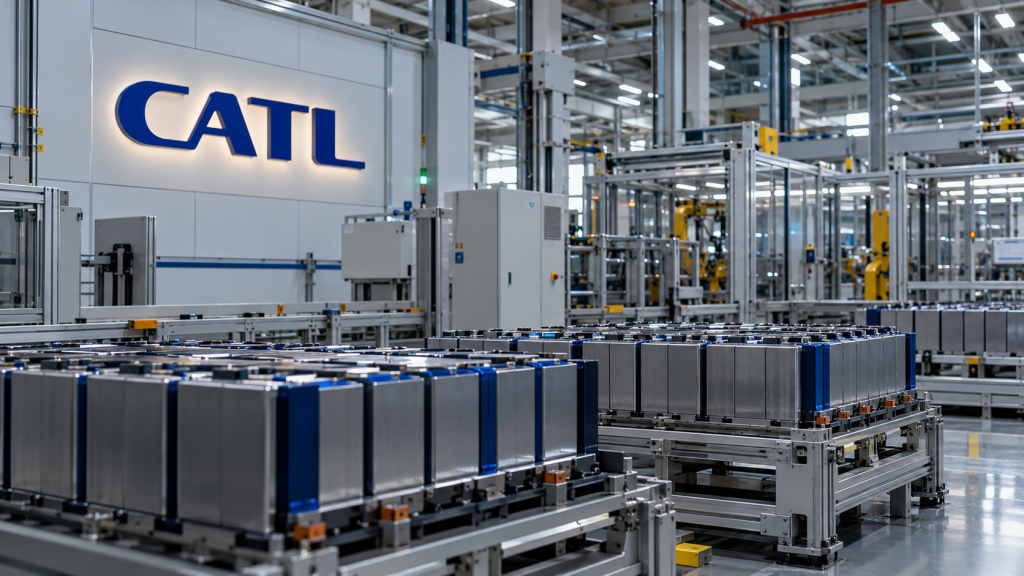
CATL’s net profit increased 14.5% year over year to 21.2 billion yuan, or approximately $3.17 billion, according to its stock exchange filing. The result fell short of analysts’ expectations for growth of 41.2%, based on LSEG SmartEstimate data cited by Reuters.
Revenue rose 58.6% to 165.2 billion yuan, also below the market forecast. Profit growth was the company’s slowest in nearly two years.
Competition puts pressure on battery manufacturers
CATL remains the world’s largest electric vehicle battery maker, but its latest results show that scale does not eliminate competitive pressure.
Chinese battery suppliers compete on manufacturing costs, energy density, charging performance, reliability and relationships with automakers. Competition can also influence the prices manufacturers charge, affecting profitability even when sales volumes remain substantial.
China’s domestic automotive market has faced a prolonged slowdown in sales growth, adding another challenge for companies supplying vehicle manufacturers. Meanwhile, exports have continued to support parts of the industry as Chinese automakers expand into international markets.
For battery producers, the balance between domestic demand and overseas expansion has become increasingly important.
Market share remains a key indicator
CATL accounted for 39.4% of global electric vehicle battery usage during the first eight months of 2026, up from 37.7% a year earlier, according to industry data cited by Reuters.
However, the company’s share of China’s power battery installation market declined to 40.9% in September from 49.8% in January. Rival BYD increased its share over the same period.
These figures illustrate the difference between global competitiveness and performance within a particular market. A company can expand internationally while facing greater competition in its home market.
Market share is also only one measure of performance. Revenue growth, profit margins, production efficiency and customer relationships remain important in assessing the quality of a company’s expansion.
Battery swapping and heavy-duty vehicles
CATL also introduced a new generation of batteries for heavy-duty trucks and announced plans to expand its battery-swapping network.
These initiatives could broaden the company’s business beyond conventional passenger electric vehicles. Battery swapping may be particularly relevant to commercial fleets where vehicle utilisation and charging downtime affect operating economics.
Nevertheless, new infrastructure requires capital investment, coordination with vehicle manufacturers and sufficient customer adoption. The commercial contribution of these initiatives will depend on deployment speed and demand.
What investors will watch
Investors will assess whether CATL can maintain its international market position while protecting profitability in a more competitive domestic environment.
Future results will also help show whether investments in new battery technologies, energy storage and battery-swapping services can create additional sources of growth.
The quarter’s results underline a key issue for the electric vehicle supply chain: rapid industry expansion does not necessarily translate into equally rapid profit growth for every manufacturer.