
China’s October Factory and Retail Data Point to Slower Economic Momentum
BEIJING, China, November 17, 2026, ZEX PR WIRE, China’s industrial production and retail sales grew at a slower pace in October, adding to concerns about the strength of domestic demand in the world’s second-largest economy.
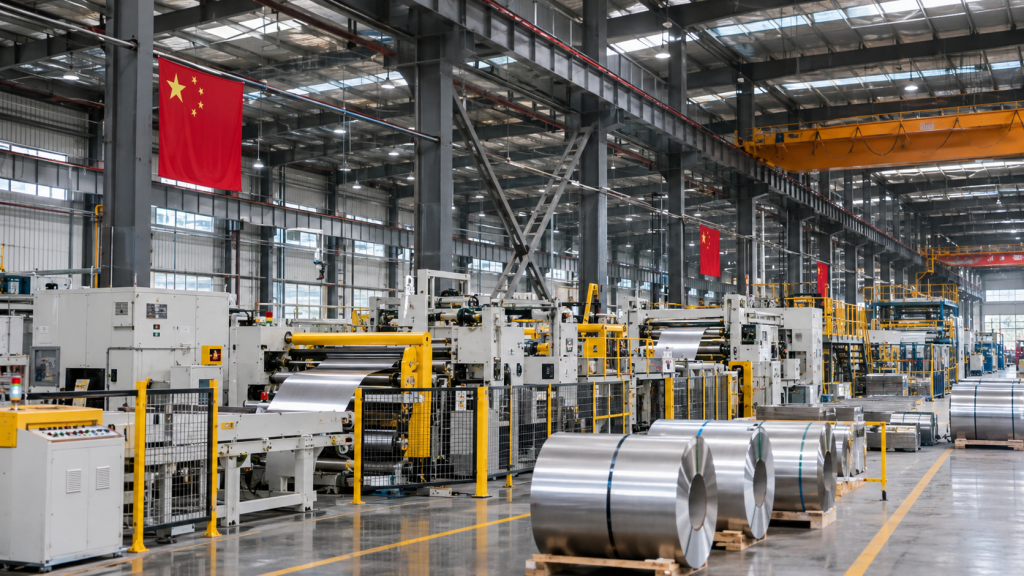
Industrial output increased 4.8% year on year, down from 5.5% growth in September and below the 5.3% forecast in a Reuters poll. Retail sales rose just 0.4%, compared with 1.1% growth in the previous month.
The figures were released on November 16 and have become an important reference point for investors assessing China’s economic outlook.
Consumer spending remains a weak point
Retail sales growth slowed despite the October holiday period and the Singles Day shopping season. The data suggests that household spending has not yet recovered strongly enough to provide a broad-based boost to economic activity.
Weak consumer confidence, labour market concerns and continued pressure in the property sector have weighed on demand.
For businesses operating in China, slower retail growth can affect revenue expectations across consumer goods, retail, electronics and other sectors that depend on domestic spending.
Industrial activity also loses momentum
The slowdown in industrial production indicates that manufacturing activity is facing a more difficult environment.
Fixed-asset investment declined 8.1% during January to October, compared with a 7.2% contraction in the first nine months of the year. Property investment fell 21.6% over the same period, highlighting the continued weakness in the real estate sector.
New home prices also declined, while urban unemployment edged down to 5.1%.
The data presents a mixed picture. Export activity, particularly in high-technology goods and AI-related products, has helped support economic growth. However, domestic consumption and property investment remain areas of concern.
What the figures mean for global markets
China’s economic performance has implications for commodity demand, international trade and companies with significant exposure to the Chinese market.
A slower manufacturing environment can influence demand for industrial metals, energy and other raw materials. Weaker consumer spending may also affect multinational companies that depend on Chinese customers.
The government has maintained its confidence in achieving its annual growth objective, but economists will continue to assess whether existing policy support is sufficient to stabilise domestic demand.