Eli Lilly Shares in Focus as Obesity Drug Demand Reshapes the Pharmaceutical Market
INDIANAPOLIS, Indiana, October 24, 2026, ZEX PR WIRE — Eli Lilly is entering a pivotal period for investors as competition in the obesity drug market intensifies and pharmaceutical companies race to expand access to treatments for weight management and related metabolic conditions.
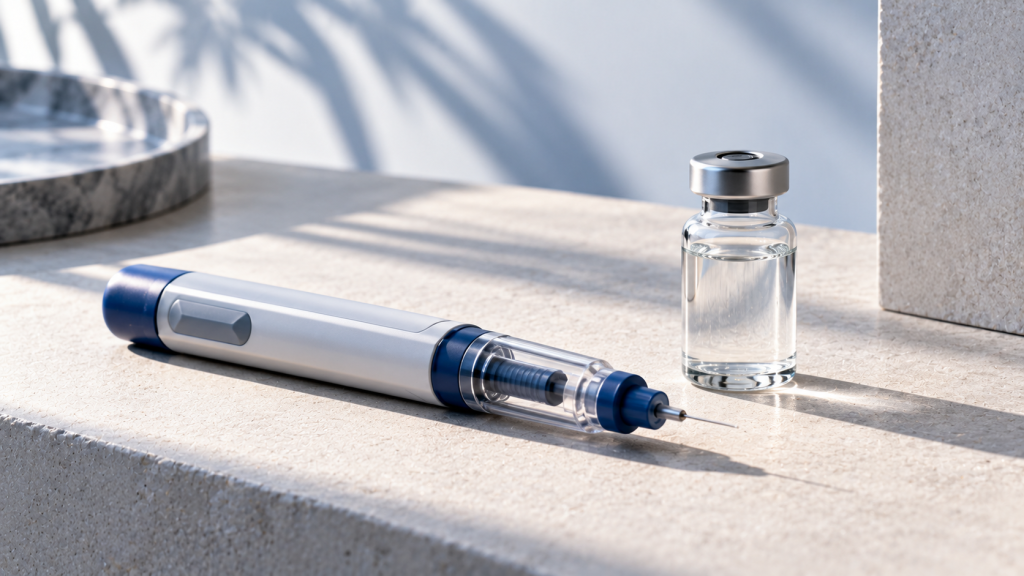
The US drugmaker has established a leading position in the market through its medicines Zepbound and Mounjaro, which contain tirzepatide. Demand for these treatments has created a significant growth opportunity, while competition from Novo Nordisk and emerging pharmaceutical developers is increasing pressure on pricing, manufacturing capacity and long term market share.
Investors are watching whether Eli Lilly can sustain its growth as more patients seek treatment and healthcare systems assess the financial implications of wider access to obesity medicines.
Obesity Treatments Become a Major Growth Market
Eli Lilly’s tirzepatide medicines have helped transform the commercial outlook for obesity and diabetes treatment. Zepbound is approved in the United States for chronic weight management in eligible patients, while Mounjaro is used to treat type 2 diabetes.
The treatments belong to a broader class of medicines that act on metabolic pathways to improve blood sugar control and support weight reduction. Their growing adoption has attracted attention from healthcare providers, insurers and investors because obesity is associated with several chronic health conditions.
For pharmaceutical companies, the opportunity extends beyond initial prescriptions. Long term growth depends on treatment persistence, patient access, manufacturing capacity and the ability to demonstrate clinical benefits across relevant patient groups.
However, the market remains sensitive to affordability and reimbursement. Insurance coverage varies, and patients may face substantial costs depending on their eligibility and treatment arrangements.
Competition and Supply Capacity Shape the Outlook
Novo Nordisk remains a major competitor with its semaglutide based treatments, including Wegovy and Ozempic. The rivalry has encouraged both companies to invest in clinical development, production facilities and new formulations.
Manufacturing capacity is particularly important because demand for injectable medicines can rise faster than supply. Expanding production can help pharmaceutical companies reach more patients, but facilities require significant investment and must meet strict quality standards.
The market may also evolve as additional treatments enter development. New medicines, alternative delivery methods and potential improvements in convenience could influence prescribing decisions and commercial competition.
Investors will therefore evaluate Eli Lilly not only on current sales but also on its research pipeline, production expansion and ability to maintain a competitive advantage.
What Investors Will Watch Next
Eli Lilly’s upcoming financial updates will be important for assessing demand, sales guidance, production costs and the commercial performance of its obesity and diabetes medicines.
Investors will also monitor pricing developments, insurance coverage and the competitive response from Novo Nordisk. Regulatory decisions and clinical trial results could influence expectations for future growth.
The obesity drug market remains one of the most closely watched areas of the pharmaceutical industry. Eli Lilly’s longer term performance will depend on its ability to translate strong demand into sustainable revenue while navigating competition, affordability concerns and the operational demands of scaling medicine production.