
ExxonMobil Signals $4.5 Billion Refining Profit Boost as Geopolitical Tensions Tighten Fuel Supply
SPRING, Texas, 17th October 2026, ZEX PR WIRE — ExxonMobil has signalled a substantial increase in third quarter refining earnings as supply disruptions and stronger fuel margins reshape the global energy market. The company expects its downstream business to benefit from a sharp improvement in refining conditions, highlighting how geopolitical tensions can create both opportunities and risks for major oil producers.
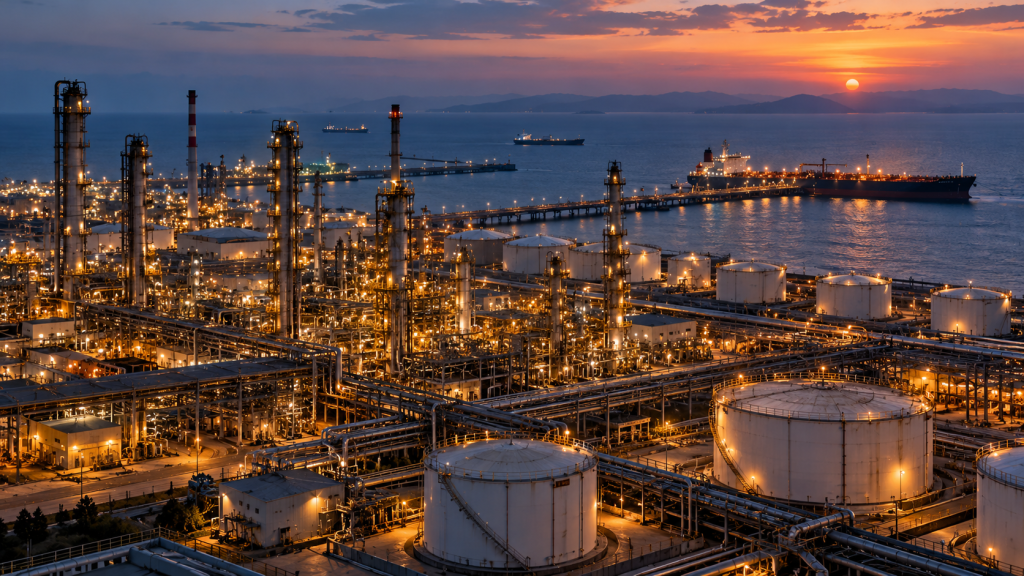
In a regulatory filing published on October 16, ExxonMobil indicated that changes in refining margins could lift downstream earnings by approximately $4.5 billion compared with the second quarter of 2026. Analysts cited by Reuters estimated that adjusted earnings from the refining business could reach around $8.5 billion, more than double the previous quarter’s level.
The outlook reflects an unusual environment in which disruptions to energy supplies have increased the value of refined fuels, even as higher prices place pressure on consumers and businesses.
Supply Disruptions Support Refining Margins
Refining margins measure the difference between the value of finished petroleum products and the cost of crude oil used to produce them. When gasoline, diesel and other fuel prices rise faster than crude input costs, refiners can generate higher profits.
Recent geopolitical disruptions have affected energy flows through the Middle East, including the strategically important Strait of Hormuz. Attacks on energy infrastructure and shipping have heightened concerns about the reliability of supplies, while damage to Russian refining capacity has added pressure to certain fuel markets.
These disruptions can tighten the availability of diesel and other refined products even when crude oil remains accessible from alternative sources. Refineries capable of maintaining high utilisation rates may therefore benefit from stronger margins.
For ExxonMobil, the projected improvement demonstrates how refining operations can provide a counterweight to weaker performance elsewhere in the energy business. However, the benefit depends on market conditions remaining favourable and cannot be assumed to persist indefinitely.
Higher Fuel Prices Create Wider Economic Risks
The same conditions supporting refinery profits are creating challenges for households, transport operators and industrial businesses. Higher diesel prices increase freight and logistics expenses, while elevated gasoline prices can reduce disposable income and influence consumer spending.
Persistent fuel inflation may also complicate monetary policy. If energy costs push broader inflation higher, central banks could face pressure to maintain restrictive interest rates for longer.
Investors must therefore distinguish between short term earnings benefits for energy companies and the wider economic consequences of expensive fuel. Strong refining profits may support ExxonMobil’s results, but sustained inflation and weaker economic growth could eventually reduce fuel demand.
What Investors Will Watch Next
ExxonMobil’s final quarterly results will provide greater detail on refining performance, upstream production and the contribution of energy prices to overall earnings. Investors will also monitor crude oil benchmarks, product inventories, refinery utilisation and developments affecting shipping through the Strait of Hormuz.
The durability of refining margins will be especially important. If supply disruptions ease or additional refining capacity becomes available, margins could retreat from elevated levels.
For now, ExxonMobil’s outlook illustrates how geopolitical risk can rapidly alter profitability across the energy sector. The next earnings report will help investors determine how much of the anticipated improvement translates into actual results and whether the favourable refining environment can continue.
