
Indian Shares Enter Wednesday Session With Foreign Inflows and Lower Oil Prices in Focus
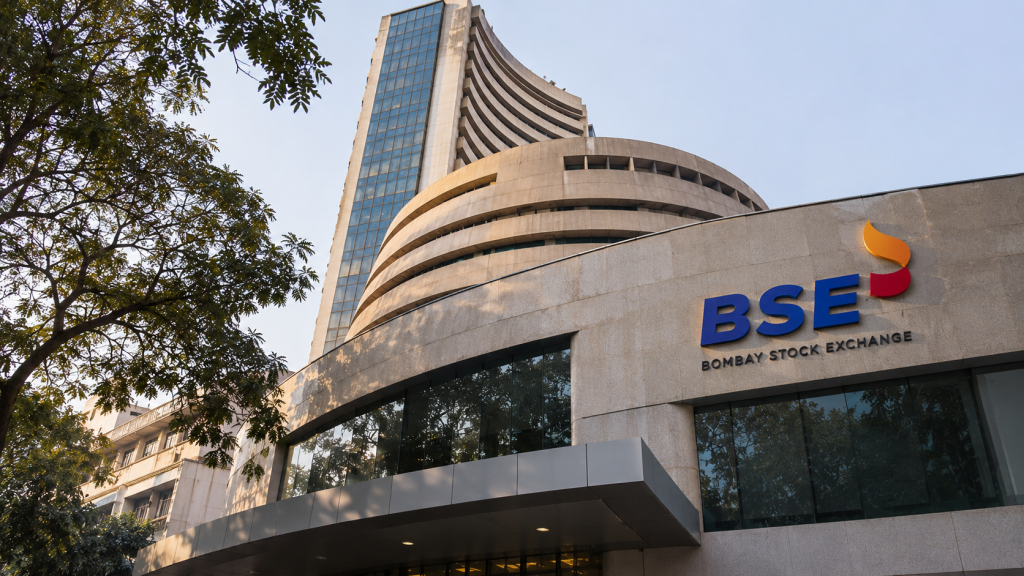
MUMBAI, India, November 11, 2026, ZEX PR WIRE, Indian equity markets returned to trading on Wednesday after the Diwali holiday, with investors assessing foreign fund inflows, lower crude oil prices and recent corporate earnings. The domestic market had last traded on Monday, when the Nifty 50 closed at 25,044.65, gaining 0.23%, while the Sensex ended at 81,106.65, up 0.13%.
Market sentiment ahead of Wednesday’s session was supported by expectations of a stronger opening, with global crude prices having declined during the previous session. Foreign portfolio investment also remained an important factor, as overseas investors had increased their purchases of Indian equities during November.
Foreign investment supports market sentiment
Foreign portfolio investors purchased Indian shares worth approximately US$5.68 billion during November through the reporting period, according to a Reuters report. The purchases represented the strongest monthly inflow since September 2024, indicating a significant improvement in overseas investor participation.
Foreign investment flows can influence domestic equity valuations, market liquidity and the performance of large listed companies. However, these flows can also change quickly in response to global interest rates, currency movements and investor appetite for emerging market assets.
The recent inflows have coincided with a period of strength in Indian equities. The Nifty 50 and Sensex had gained close to 9% during November through the reporting period, supported by corporate earnings and improving sentiment.
Crude oil prices remain an important variable
Oil prices declined on Tuesday after US officials played down the possibility of additional military action against Iran, easing some concerns about potential supply disruptions in the Middle East. Brent crude fell to around US$89.16 per barrel during the session before recovering partially.
For India, changes in international oil prices are particularly relevant because the country imports a substantial portion of its crude requirements. Higher oil prices can increase the import bill, put pressure on the current account and influence domestic inflation. Lower prices can ease some of these pressures, although the eventual impact depends on currency movements and domestic fuel pricing.
Corporate earnings create stock specific developments
Company announcements and quarterly results are also shaping investor attention. Kalyan Jewellers reported a 63.9% increase in second quarter net profit, while MRF recorded a decline of approximately 23%. Blackstone’s proposed ₹5,000 crore investment in IIFL Finance has also placed the lender in focus.
These developments show how company specific earnings and capital transactions can influence individual stocks even when broader market sentiment is driven by global factors. Investors will continue to assess revenue growth, margins, financing requirements and management outlooks as more companies report their results.
Global interest rates remain a risk
The positive domestic backdrop faces an external challenge from stronger US inflation data. Higher Treasury yields and expectations of possible Federal Reserve rate increases could influence foreign capital allocation and currency markets.
Indian equities will therefore be balancing domestic earnings momentum and foreign inflows against global monetary policy uncertainty. Crude oil movements, the rupee and further corporate disclosures are likely to remain important factors for market participants during the week.