
Latin American Markets Face Fresh Pressure as Global Risk Aversion Weighs on Regional Currencies
Brasilia, Brazil, November 23, 2026, ZEX PR WIRE — Latin American equity markets and currencies came under pressure as a global financial market selloff and expectations of higher US interest rates weakened investor appetite for emerging market assets.
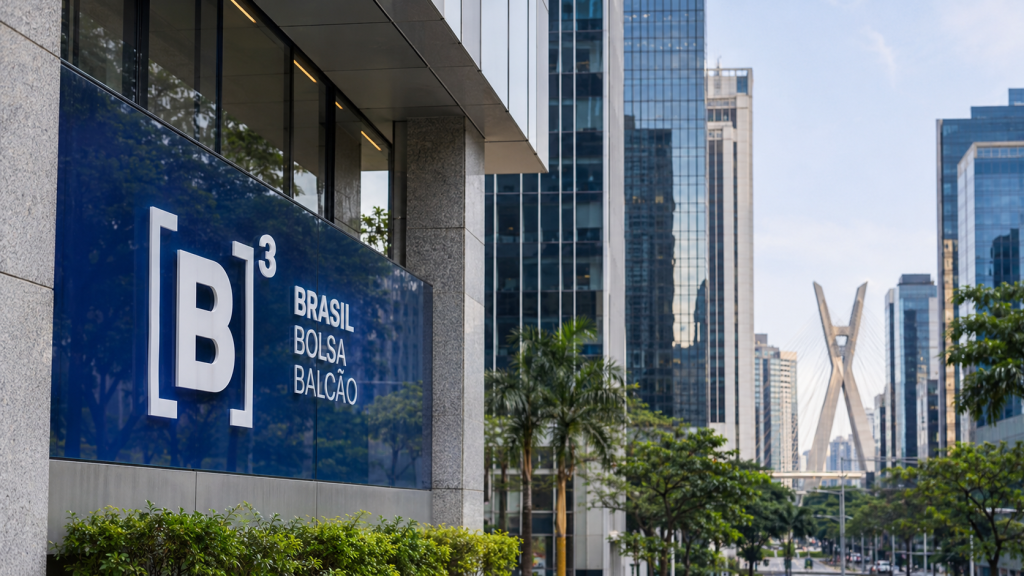
The regional decline highlighted how global risk aversion can affect markets even when local economies have limited direct exposure to the sectors driving the initial selloff.
Background
Latin American financial markets are influenced by international capital flows, commodity prices, domestic interest rates and expectations for US monetary policy.
The region includes major commodity exporters such as Brazil, Chile and Peru, as well as economies where currency performance is closely linked to international investor confidence.
When investors become more cautious, emerging market currencies can face pressure as capital moves towards assets considered less risky.
Key Developments
Reuters reported that the MSCI index of Latin American equities fell 0.86% on Friday, November 20, and was heading towards its lowest level in more than a year.
The corresponding regional currency index also declined, recording another weekly loss.
Brazil’s Bovespa index fell 0.69%, with losses in major energy companies contributing to the weakness. The decline came as investors reassessed the global economic outlook following a sharp downturn in technology shares.
Expectations of higher US interest rates added to the pressure on regional currencies. A stronger dollar can make dollar denominated debt more expensive for companies and governments in emerging markets, while also reducing the relative appeal of local assets.
The developments came despite Latin America’s comparatively limited direct exposure to the technology companies most affected by the recent market correction.
Industry Implications
The regional reaction demonstrates how interconnected international financial markets have become. Investors often adjust exposure across multiple asset classes when global risk appetite changes, regardless of whether the original source of volatility is directly linked to a particular economy.
For Latin American companies, weaker currencies can increase the cost of imported equipment and foreign currency borrowing. Commodity exporters may also face pressure if global demand expectations deteriorate.
At the same time, exchange rate movements can benefit exporters earning revenue in foreign currencies, depending on their cost structures and debt exposure.
What’s Next
Investors will monitor US inflation data, Federal Reserve policy expectations and movements in commodity prices. Regional central bank decisions and domestic economic indicators will also be important in determining whether Latin American currencies can stabilise.