
Paytm Reports More Than Tenfold Profit Increase as Payments Business Expands
NOIDA, India, October 27, 2026, ZEX PR WIRE — One 97 Communications, the parent company of Paytm, reported a sharp increase in quarterly profit as revenue growth and improved operating performance supported its digital payments business.
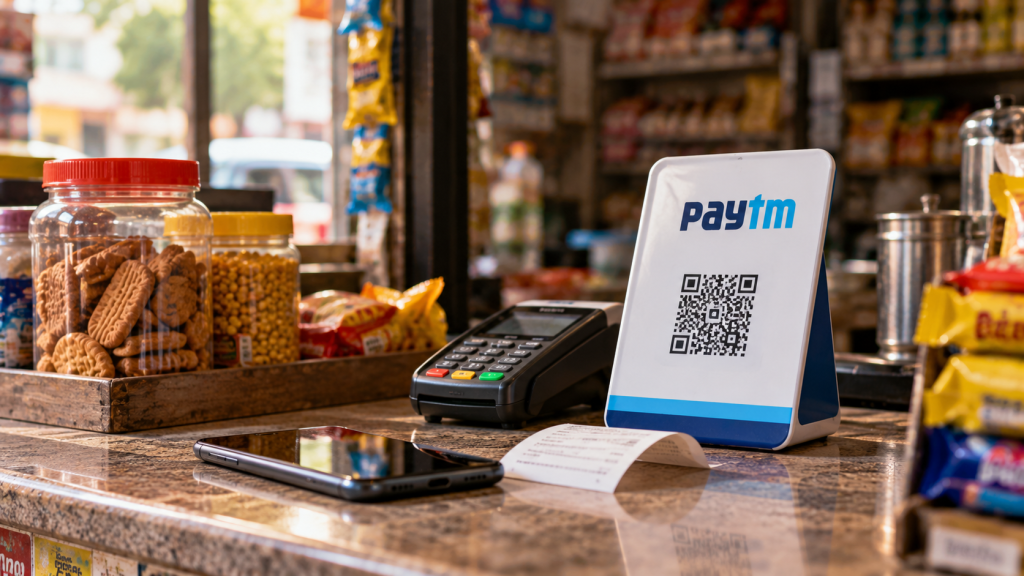
Paytm reported profit after tax of ₹225 crore for the September quarter, compared with ₹21 crore a year earlier. Operating revenue rose 28% year over year to ₹2,648 crore. EBITDA increased 90% to ₹270 crore, while its EBITDA margin reached 10%, according to financial results reported on October 27.
Digital payments support revenue growth
Paytm operates a range of digital financial services, including merchant payments, consumer payment tools and related financial products. Its business depends on transaction activity, merchant adoption and the ability to generate revenue from services offered through its platform.
Growth in operating revenue suggests that the company is expanding its commercial activity. However, the sustainability of that growth depends on customer engagement, competitive pricing and the contribution of different business segments.
Digital payments companies also face the challenge of balancing customer acquisition costs with revenue generation. Large transaction volumes do not necessarily translate into strong profits unless the business can monetise its services efficiently.
Profitability becomes an important measure
Paytm’s reported profit increase is notable because fintech companies are often assessed on their ability to move beyond user growth and demonstrate sustainable earnings.
Its EBITDA improvement indicates stronger operating performance before interest, taxes, depreciation and amortisation. The expansion in EBITDA margin also suggests that operating revenue is growing faster than the costs included in that measure.
Nevertheless, EBITDA and profit after tax are different measures. Investors should examine both alongside cash flow, regulatory obligations and the company’s accounting disclosures.
Competition remains intense
India’s digital payments market includes banks, payment applications, card networks and other fintech providers. Competition can place pressure on fees and encourage businesses to introduce new services to retain customers.
Paytm’s future performance will depend on its ability to deepen merchant relationships, increase monetisation and maintain operational discipline while meeting applicable financial regulations.
Artificial intelligence may also create opportunities to improve customer support, fraud detection and internal efficiency, although the commercial effect depends on implementation and measurable outcomes.
What investors will monitor
Investors will watch whether Paytm can maintain profitability across future quarters and sustain growth in its merchant and consumer businesses.
The results provide a positive financial development for the company, but one quarter alone does not establish a long term trend. Future earnings, operating costs and cash generation will help determine whether the improvement can continue.