
Reserve Bank of Australia Raises Interest Rates to 4.85% as Inflation Remains Persistent
SYDNEY, Australia, November 3, 2026, ZEX PR WIRE — The Reserve Bank of Australia raised its benchmark cash rate by 25 basis points to 4.85% on Tuesday, delivering another monetary tightening measure as policymakers continued to confront persistent inflationary pressures. The decision represents a significant development for Australia’s economy and financial markets, with implications for household borrowing costs, business investment, consumer spending and the Australian dollar.
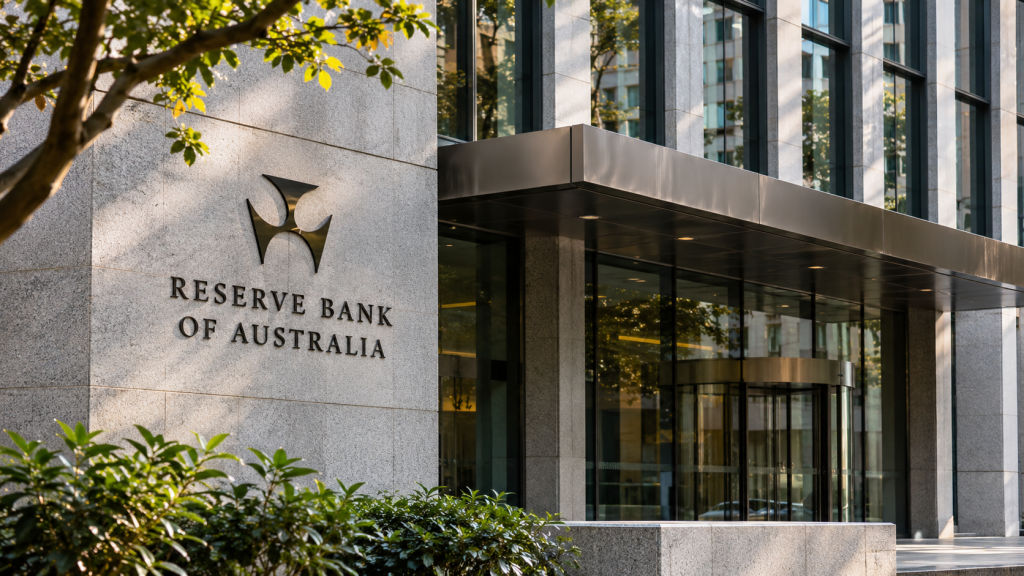
The increase follows the central bank’s previous cash rate setting of 4.60%. The latest move reflects the Reserve Bank’s continuing effort to bring inflation under control while balancing the risks of tighter financial conditions against economic growth. Australia’s monetary policy decisions are closely monitored by international investors because changes in domestic interest rates can influence capital flows, currency valuations and regional investment strategies.
Inflation Remains a Major Policy Concern
Persistent inflation has complicated the Reserve Bank’s efforts to establish a stable economic environment. Australia’s annual consumer price inflation reached 4.3% in September 2026, according to the economic figures cited in the earlier market report. This level remains an important consideration for policymakers as they assess whether existing monetary conditions are restrictive enough to moderate demand and prevent inflation from becoming entrenched.
Higher energy and commodity costs have contributed to the broader inflationary environment. Demand associated with technology infrastructure and artificial intelligence investment has also added pressure to selected areas of the economy. The central bank must therefore consider a combination of domestic demand, international commodity prices and supply-side conditions when determining its policy direction.
Borrowers and Financial Institutions Face Changing Conditions
The increase in the cash rate is likely to affect Australian households through higher borrowing costs, particularly for customers with variable-rate mortgages. Banks may adjust lending and deposit rates in response to the central bank’s decision, influencing household disposable income and the demand for new credit.
Financial institutions could experience different effects depending on their funding structures, lending portfolios and deposit competition. Higher interest rates can support lending margins in certain circumstances, but they may also increase credit risks if households and businesses experience difficulty servicing existing debt.
Implications for International Markets
The decision adds another consideration for investors assessing monetary policy across major economies. Changes in Australian interest rates can influence the relative attractiveness of Australian-dollar assets and affect currency-market positioning. Investors will also examine the central bank’s accompanying economic assessment for indications of whether additional tightening could become necessary.
For global markets, the decision highlights the challenge facing central banks as inflationary pressures remain difficult to eliminate despite previous monetary tightening measures. Australia’s monetary policy developments demonstrate how policymakers must balance price stability with the potential economic consequences of higher borrowing costs.