SpaceX Signs $40 Billion AI Chip Leasing Agreement With Apollo Global Management
STARBASE, United States, October 26, 2026, ZEX PR WIRE — SpaceX has entered into an agreement to lease data centre hardware, including artificial intelligence chips, from an entity managed by Apollo Global Management in a transaction expected to involve approximately $40 billion in payments over five years.
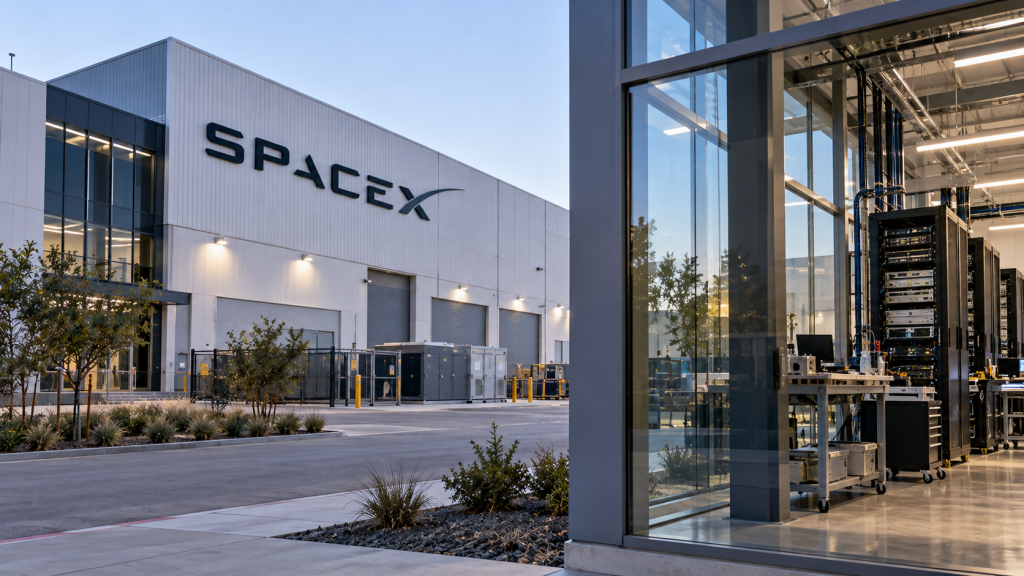
The arrangement is designed to provide SpaceX with computing hardware for data centres it selects. According to reporting published on October 26, lease schedules are expected to begin in the first half of 2027, following delivery of the graphics processing units.
Leasing offers an alternative to direct hardware purchases
AI infrastructure requires substantial investment in advanced processors, servers, networking systems and supporting facilities. Companies expanding their computing capacity must decide whether to purchase equipment outright, borrow to finance it or use leasing arrangements.
Leasing can help spread payments over time and align some infrastructure costs with the period in which equipment is used. It may also provide flexibility when hardware requirements change rapidly.
However, leasing does not eliminate financial obligations. A long-term agreement can create substantial future payment commitments, and the economic benefits depend on the utilisation of the equipment, its operating costs and the revenue generated by the computing capacity.
For SpaceX, the arrangement represents a significant commitment to AI-related infrastructure.
Apollo’s role in technology financing
Apollo Global Management is an investment management firm with experience in credit and alternative investments. Transactions involving specialised equipment can provide investors with exposure to financing arrangements backed by physical assets and contractual payments.
The agreement illustrates how financial firms are becoming involved in funding the infrastructure required by the AI industry.
Rather than relying entirely on technology companies’ balance sheets, equipment leasing can distribute financing across specialised providers and investors. The structure can make large infrastructure projects possible, but it also requires careful assessment of counterparty risk, equipment value and contractual terms.
AI infrastructure carries commercial risks
Demand for computing power has increased as companies develop AI models and expand AI-enabled products. Yet infrastructure projects face uncertainties involving electricity availability, construction schedules, hardware delivery and customer demand.
If equipment arrives later than planned or computing capacity is underused, the economics of a large lease may become less attractive. Companies must also consider how quickly advanced processors depreciate as newer generations become available.
These factors make the duration and structure of financing agreements important considerations for both borrowers and investors.
What comes next
Attention will turn to hardware delivery, data centre deployment and the start of the lease schedule in 2027.
The agreement highlights the growing relationship between AI development and sophisticated financing structures. For the wider market, it demonstrates that the AI infrastructure expansion depends not only on semiconductor manufacturing and computing demand but also on access to capital and the ability to manage long-term financial commitments.