
UK Property Asking Prices Fall More Than Usual in November
LONDON, United Kingdom, November 16, 2026, ZEX PR WIRE, Asking prices for residential properties in the United Kingdom recorded a larger-than-usual decline in November, according to a report highlighted in Reuters’ Monday market coverage. The development adds to evidence that the country’s housing market continues to face affordability challenges as households and prospective buyers assess borrowing costs and wider economic conditions.
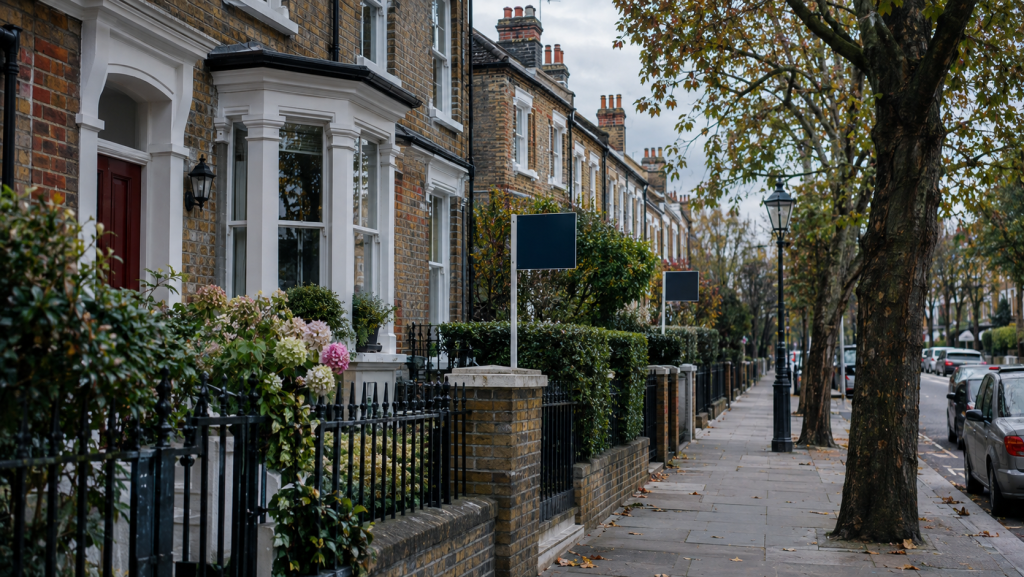
The latest movement comes as investors monitor the effect of interest rates on property demand, housing transactions and companies exposed to the UK residential market.
Borrowing Costs Remain Important for Buyers
Mortgage affordability remains a major consideration for prospective homebuyers. Higher borrowing costs can reduce the amount households are able to borrow and increase the monthly cost of financing a property purchase.
When buyers become more cautious, sellers may need to adjust asking prices to attract interest. This can create additional pressure in parts of the market where affordability is already stretched.
The November decline also comes amid wider uncertainty about the UK economy. Household budgets continue to face pressure from living costs, while the outlook for interest rates remains an important factor in property purchasing decisions.
Implications for the Housing Market
A fall in asking prices does not necessarily mean that completed transaction prices have declined by the same amount. Asking prices represent sellers’ initial expectations, while final sale prices depend on negotiations, property conditions and local market demand.
However, repeated reductions in asking prices can signal that sellers are adjusting their expectations to reflect weaker demand or increased competition. Estate agents and property developers may therefore face a more challenging environment when trying to maintain transaction volumes.
For mortgage lenders, housing companies and construction businesses, changes in buyer activity can affect lending demand, development plans and revenue expectations.
Investors Assess the Wider Economic Impact
The UK housing market is closely connected to consumer confidence and financial conditions. Property transactions can influence spending on furniture, renovations, household equipment and other services, making housing activity relevant beyond the real estate sector.
A weaker market could also affect companies whose business models depend on property transactions, including estate agencies and mortgage intermediaries. At the same time, lower asking prices may improve affordability for some buyers if mortgage financing becomes more accessible.
The broader impact will depend on whether the November decline represents a seasonal adjustment or a more persistent weakening in demand.
What Comes Next
Investors will watch mortgage approvals, housing transactions and future property-price reports to assess whether market conditions are stabilising. The direction of interest rates will also remain important for buyers and sellers.
The latest figures provide another indication that the UK housing market is adjusting to borrowing costs and affordability pressures. However, asking-price movements alone are not sufficient to establish the direction of completed property transactions.