
US Dollar Holds Near 19-Month High as Rate Hike Expectations Pressure Global Currencies
NEW YORK, United States, November 14, 2026, ZEX PR WIRE, The US dollar remained near a 19-month high as investors reassessed the Federal Reserve’s interest rate outlook and the possibility of additional monetary tightening in December. The currency’s strength has created pressure across international financial markets, particularly for currencies in economies that depend heavily on dollar-denominated trade and borrowing.
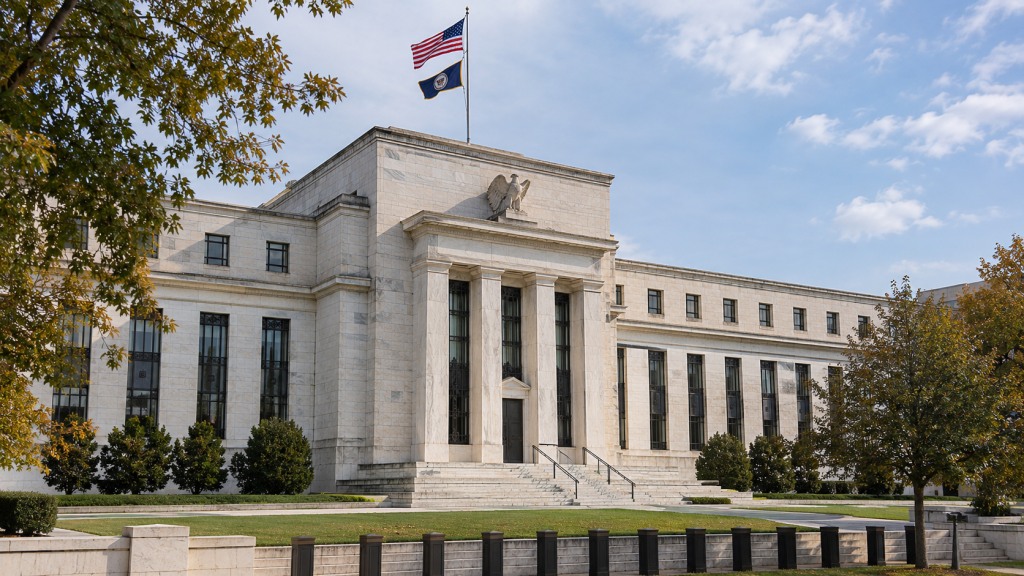
The dollar’s advance coincided with weakness in US technology shares and rising Treasury yields. Market participants have increasingly considered the possibility that inflation could remain elevated enough to require a more restrictive monetary policy stance.
Interest Rate Expectations Support the Dollar
The outlook for US interest rates remains one of the most important influences on currency markets. When investors expect higher interest rates, dollar-denominated assets can become more attractive because they may offer higher returns compared with investments in other currencies.
Recent comments from Federal Reserve officials have reinforced concerns that inflation remains persistent. New York Fed President John Williams indicated that inflation was still too high and that the central bank had more work to do.
These remarks contributed to market expectations of further tightening. Investors have been monitoring economic releases and central bank communication to assess whether inflationary pressures are likely to justify additional rate increases.
Asian Currencies Face External Pressure
A stronger dollar can create challenges for Asian currencies, particularly when domestic economies rely on imported energy and other commodities. A weaker local currency can increase the cost of dollar-priced imports, potentially adding to domestic inflation.
The Japanese yen has been particularly sensitive to the difference between US and Japanese interest rates. It traded near 160 per dollar during Friday’s Asian session, prompting renewed attention from Japanese officials.
Japan’s finance minister warned against one-sided currency movements and indicated that authorities would remain in contact with the US Treasury. The comments highlighted concern about excessive volatility and its potential economic consequences.
Treasury Yields Reinforce Currency Market Movements
US Treasury yields have also increased, contributing to the dollar’s strength. The 10-year Treasury yield was reported near 5.13% during Friday’s Asian trading, while Japan’s 10-year government bond yield rose to approximately 2.87%.
Higher yields can influence international capital allocation as investors compare returns across different markets. However, currency movements also depend on economic growth, inflation expectations, trade balances and central bank intervention.
What Investors Will Monitor
The dollar’s next direction will depend on incoming US inflation and employment data, Federal Reserve communication and the interest rate decisions of other major central banks.
For emerging economies, sustained dollar strength could increase import costs and complicate monetary policy decisions. For multinational companies, currency movements may influence the value of overseas earnings and the cost of international operations.
The latest market conditions demonstrate how expectations surrounding US monetary policy can influence currencies far beyond the United States.