
US Dollar Retreats From 19 Month High as Traders Reassess Federal Reserve Rate Outlook
Singapore, November 23, 2026, ZEX PR WIRE — The US dollar eased from its highest level in more than 19 months during Asian trading on Monday as investors reassessed expectations for Federal Reserve policy following last week’s global equity market selloff.
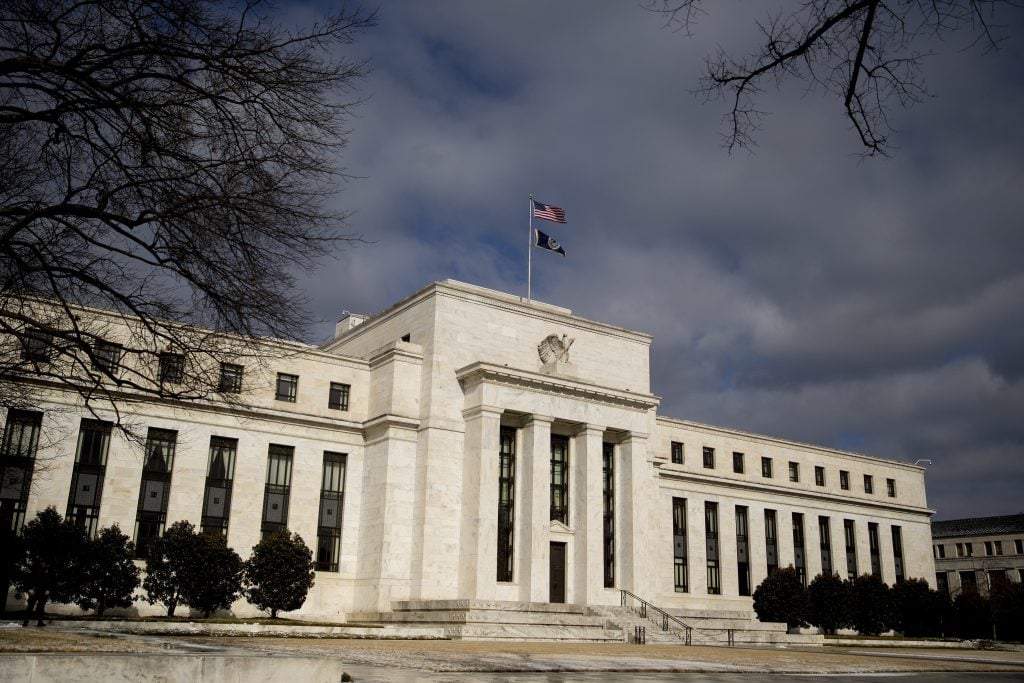
The movement came as some currencies recovered modestly against the dollar and traders reduced expectations of a more aggressive interest rate increase at the Federal Reserve’s December meeting.
Background
The dollar had strengthened during the previous trading sessions as investors moved towards assets perceived as safer amid concerns about artificial intelligence valuations and the wider technology market.
Higher interest rate expectations can also support the US currency by making dollar denominated assets more attractive to international investors.
However, changes in economic data and expectations for central bank policy can quickly alter currency market positioning.
Key Developments
Reuters reported that the US dollar index eased from its recent high, while the euro and Australian dollar recorded modest gains. The British pound was broadly stable, while the yen weakened as demand for traditional safe haven currencies moderated.
The dollar’s movement reflected a reassessment of how aggressively the Federal Reserve may need to respond to inflation at its December 8 and 9 meeting.
Market pricing continued to indicate expectations for a 25 basis point increase, although the probability of a larger 50 basis point move had fallen from the previous week’s expectations.
Investors are also preparing for upcoming US inflation data, including the personal consumption expenditures price index, which is scheduled to provide another measure of price pressures.
The New Zealand dollar remained under pressure, reflecting differences in interest rate expectations and broader currency market sentiment.
Industry Implications
Currency movements influence international trade, corporate earnings and the cost of financing for businesses operating across multiple markets.
A weaker dollar can reduce the cost of dollar denominated debt for some international borrowers, while also affecting import prices and commodity transactions. For exporters, exchange rate changes can alter the competitiveness of products sold internationally.
The dollar’s direction also matters for emerging market economies, many of which rely on dollar financing and trade in commodities priced in the US currency.
What’s Next
The next major catalyst will be US inflation data and further communication from Federal Reserve officials. Investors will assess whether inflation remains strong enough to justify additional tightening or whether the recent market volatility changes the policy outlook.