
Why Siloed Commercial Forecasting Fails Oncology Teams: Stelios Tzellos, PhD, Makes the Case for Science-First Market Intelligence
LONDON, United Kingdom, Jul 18, 2026, ZEX PR WIRE — In pharmaceutical commercial planning, the analytical tools available to forecasting teams have grown considerably more sophisticated. Models are more precise. Datasets are larger. The methodological standards underpinning commercial strategy have matured with each planning cycle. But there is a persistent structural problem in many organisations: the professionals building the forecasts often lack the scientific depth to pressure-test their own biological assumptions. They can construct the model. They cannot always determine whether the model accurately reflects how the disease behaves in practice.
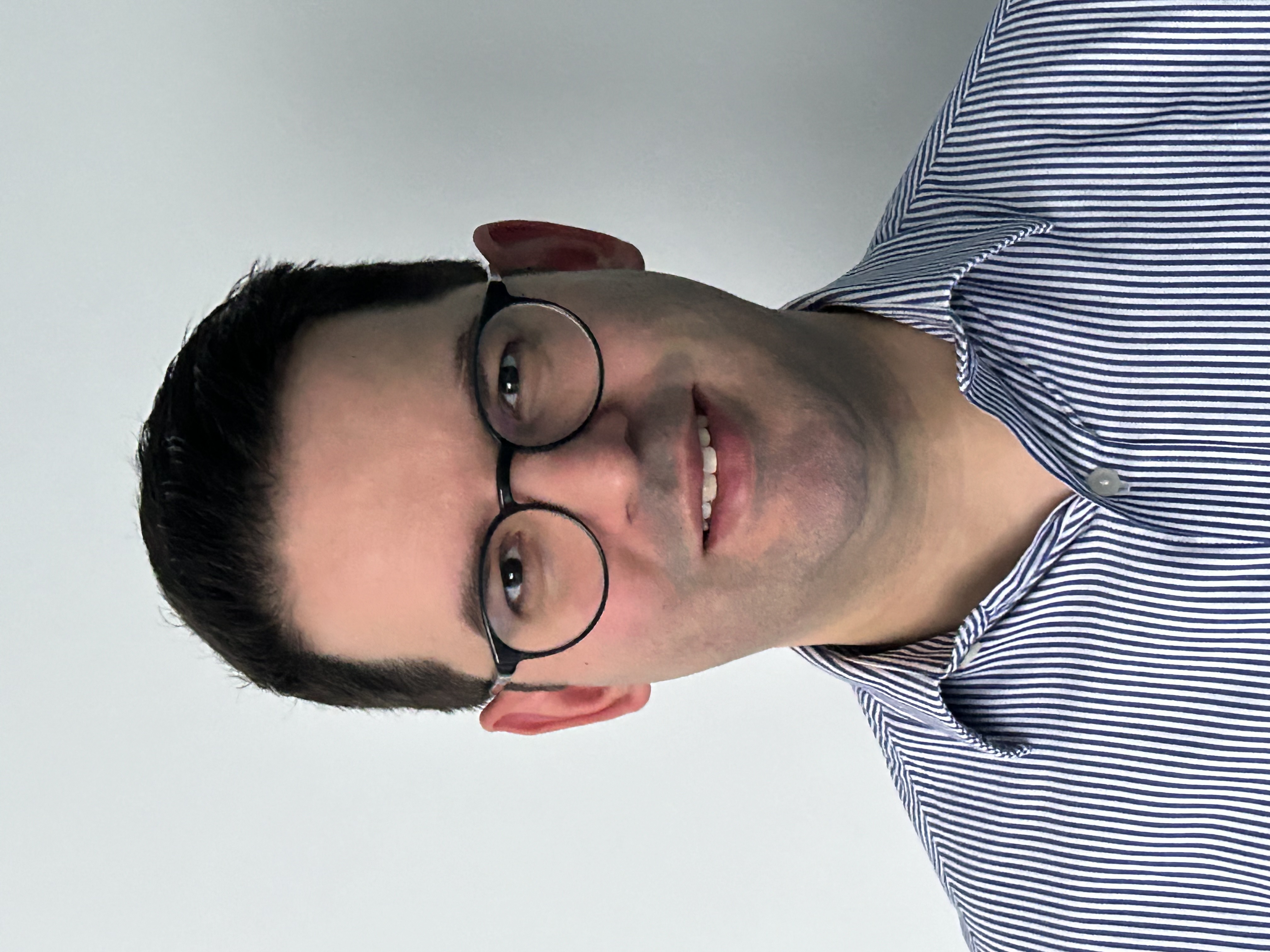
Stelios Tzellos, PhD, has spent his career in oncology analytics at the intersection of molecular biology and commercial strategy. Based in the United Kingdom, with a doctorate in Molecular Biology from Imperial College London and analytical roles at GlobalData, IQVIA, and AstraZeneca, he has a direct view of where this gap produces consequential errors. He argues that the disconnect between clinical science and commercial forecasting is one of the most consistently underexamined challenges in pharmaceutical planning.
The Problem with Forecast-First, Science-Second
Tzellos describes the problem as structural rather than individual. In many organisations, scientific and commercial functions are designed to operate in parallel rather than in dialogue. Clinical teams manage the evidence base. Analytics teams manage the models. The transfer of understanding between them is frequently incomplete.
“A forecast for an oncology asset is only as good as the biological assumptions built into it,” Tzellos says. “If you do not understand how the target population is defined, how a mechanism of action affects the durability of response, or how treatment sequencing evolves over time, you are building on ground that may give way.”
The result is models that appear structurally sound but fail to anticipate market shifts that were visible in the clinical data for anyone examining both layers simultaneously.
A Science-Informed Mindset in a Numbers-Focused Industry
Tzellos does not argue that analytics professionals should become clinical scientists. He makes a more specific case: that analytical work supporting oncology commercial strategy should be grounded in genuine scientific literacy, not merely familiarity with clinical terminology. There is a meaningful difference between knowing what a targeted therapy is and understanding why its mechanism of action determines how market share evolves across lines of treatment.
“You can train someone to use a forecasting tool in a matter of weeks,” Tzellos says. “You cannot train them in weeks to understand what happens to a patient population when a new mechanism enters a crowded treatment space. That depth comes from sustained engagement with the science.”
At IQVIA’s Analytics Center of Excellence, Tzellos worked with pharmaceutical companies on integrated analytical work, building epidemiological rigour and scientific context directly into forecasting models rather than treating them as separate inputs.
Earning the Right to Make This Argument
Tzellos’s position on this issue comes from direct experience on both sides of the gap. His doctoral research at Imperial College London examined the molecular mechanisms behind Epstein-Barr virus transformation, including the biological basis for why one EBV strain demonstrates greater efficiency in converting infected cells. That research required sustained, systematic thinking about mechanisms, a discipline he carried into his subsequent work in commercial analytics.
At GlobalData, he produced oncology and haematology market analyses covering Hodgkin’s lymphoma, multiple myeloma, and leukaemia: areas in which scientific understanding is not optional background context but an active analytical requirement. The competitive dynamics in haematological oncology depend on understanding patient subpopulations, biomarker stratification, and mechanism-dependent durability of response.
“The biology drives the commercial story,” Tzellos says. “You cannot build a credible competitive assessment for a targeted therapy without understanding what the target is and why it matters to that patient population.”
Why Scientific Depth Changes the Quality of the Output
In oncology specifically, Tzellos believes the cost of analytical error is higher than in many other therapeutic categories. Decisions about pipeline investment, commercial resource allocation, and market access strategy have direct implications for which therapies reach patients and on what timelines.
“The commercial decisions made in oncology are not abstract,” Tzellos says. “They shape what gets funded, what gets approved, and what reaches patients. Getting the analysis right is not only a professional standard. It is a practical obligation.”
Organisations that invest in scientific literacy within their analytics functions produce better outputs over time, he argues, not because scientific knowledge replaces commercial judgement but because it grounds it in what is actually happening in the disease area.
The Role of Intellectual Discipline
One of the practices Tzellos emphasises is the systematic examination of inherited assumptions, particularly those carried forward from prior forecasts rather than built from first principles each cycle. In oncology, where treatment standards shift with major clinical readouts, assumptions that were accurate in one planning period may not reflect the market in the next.
“A forecast ages in oncology much faster than in many other therapeutic areas,” Tzellos says. “The science does not stop when the model is built. Discipline means returning to the biological assumptions regularly and asking whether they still hold.”
This kind of discipline requires both scientific and commercial fluency. Neither, applied alone, is sufficient.
A Different Standard for Oncology Intelligence
Tzellos’s argument is not that pharmaceutical analytics is performing inadequately. It is that the standard should be higher, and that the path to a higher standard runs through the science. Commercial planning and molecular understanding are not naturally in tension. They produce stronger work when the same analyst can hold both frames simultaneously.
“The molecule and the market are not separate questions,” Tzellos says. “When they are treated as separate problems owned by separate teams, the analysis tends to be weaker than it needs to be. The answer is not more data. It is more rigorous thinking.”
He believes the organisations that close this gap will produce more accurate forecasts, more defensible commercial strategies, and better outcomes for the patients whose treatment options depend on those decisions.
“Science-first is not an academic preference,” Tzellos concludes. “It is a practical standard for anyone who wants their oncology analysis to hold up when the plan meets reality.”